
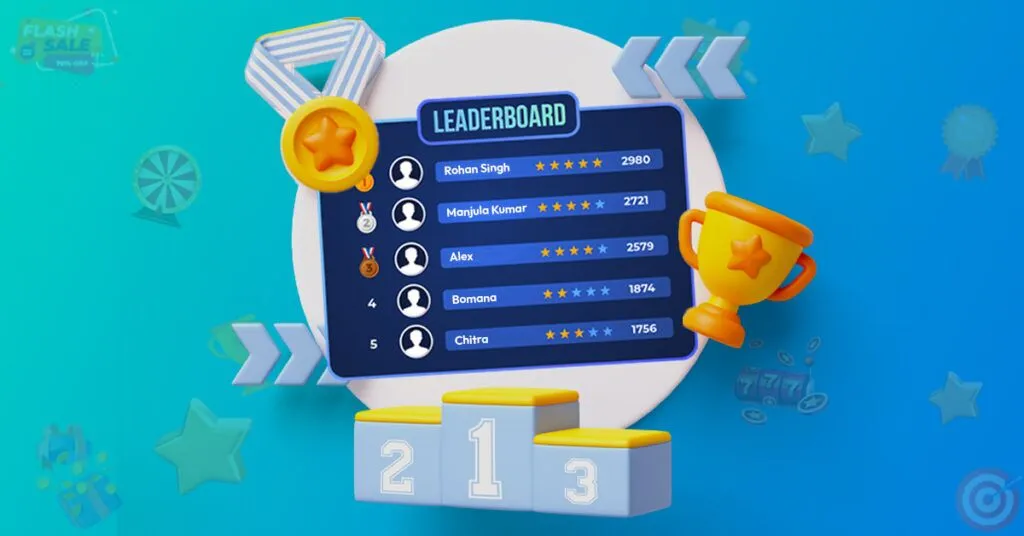

In the digital age, competition has taken on new life through the rise of gamified apps and platforms. One of the most effective tools in fostering ongoing user engagement and friendly rivalry is the weekly leaderboard. Whether it’s a color prediction game, fitness tracker, language learning app, or mobile RPG, weekly leaderboards play a central role in motivating users to participate, improve, and return consistently. But what makes this system so powerful, and why do so many top-performing apps rely on it?
The Psychology of Competition in Digital Spaces
Humans are naturally wired to compare themselves to others, especially in environments that offer rewards or recognition. Weekly leaderboards tap into this instinct by presenting a clear, time-limited challenge. Unlike monthly or all-time leaderboards, which can feel overwhelming or unattainable for new users, weekly leaderboards reset frequently. This allows every user—newcomer or veteran—to start on equal footing and compete for top rankings.
The limited duration of a weekly cycle creates urgency and keeps users coming back regularly. It transforms casual participation into a more committed routine, as players strive to maintain or improve their position before the week ends. The promise of visibility, rewards, or simply the thrill of outperforming peers adds fuel to this drive.




Encouraging Consistent Engagement
One of the biggest challenges in app development is user retention. Many apps see a spike in downloads, only to watch their active user base decline over time. Weekly leaderboards counteract this by creating a system of recurring goals. Since progress is reset each week, users feel encouraged to return frequently to stay in the game.
For example, in color prediction apps, users are motivated to play multiple rounds daily to climb the leaderboard. The more they participate, the higher their chances of recognition and rewards. This cycle not only increases app usage but also builds a habit, embedding the app into users’ daily routines.
Similarly, in fitness and productivity apps, weekly competition fosters accountability. A user who sees themselves slipping down the rankings may be inspired to log more steps or complete more tasks, reinforcing the app’s core purpose through a natural feedback loop.
Building Community Through Friendly Rivalry
Leaderboards do more than motivate individuals—they also help cultivate a sense of community. When users see familiar names appearing week after week, it creates a virtual social circle. Friendly rivalries begin to form, and users may start to cheer for, compete with, or even connect with other top players.
This shared experience builds user loyalty. It shifts the app from being a solo tool to a shared space of mutual challenge and recognition. Some apps enhance this by offering team-based leaderboards, allowing groups of users to compete collectively. This not only strengthens competition but also builds cooperation and camaraderie.
The visibility of achievements—whether through ranks, badges, or profile highlights—encourages social interaction and discussion. Users are more likely to share their progress, strategies, and successes when they know their efforts are publicly acknowledged.
Driving Monetization Through Leaderboard Features
Weekly leaderboards can also contribute to an app’s monetization strategy. Users who are deeply invested in their rankings may be more inclined to make in-app purchases that enhance their performance. Whether it’s buying extra game rounds, unlocking analytics tools, or accessing premium features, competition creates a natural incentive to spend.
Some platforms introduce leaderboard-specific rewards that are only accessible to top performers, increasing the perceived value of competitive play. Others offer “boosts” or time-limited items that can help users climb the ranks more quickly. These monetization strategies work best when they feel optional rather than mandatory, preserving fairness while still offering a shortcut for those willing to invest.
In many cases, sponsored leaderboards are introduced, where brands offer real-world prizes or discounts to top users. This strategy not only promotes in-app activity but also creates advertising value, linking user achievement with tangible benefits.
Adapting Leaderboards for Different User Types
Despite their broad appeal, leaderboards must be thoughtfully designed to avoid discouraging users who fall behind. Some apps address this by segmenting leaderboards based on skill level, region, or activity type. This ensures that users are competing against peers with similar behavior, making rankings feel more achievable.
Others offer multiple tiers of recognition. Instead of only rewarding the top three, they highlight the top 10, top 100, or fastest movers of the week. This inclusive approach keeps more users motivated and prevents discouragement, especially among casual players.
Custom leaderboards, where users can compete with friends or within private groups, also help personalize the experience. It shifts the focus from global competition to personal improvement and social interaction, broadening the appeal of weekly rankings.
Conclusion
Weekly leaderboards are more than just a feature—they are a proven method for driving engagement, encouraging regular participation, and creating meaningful competition in digital platforms like tiranga. By offering a recurring challenge, they transform passive users into active participants. Whether through individual recognition, community interaction, or incentive-based rewards, leaderboards have become a cornerstone of user retention strategies across top apps. As technology evolves and user expectations rise, the smartest platforms will continue to refine this tool to build loyalty, boost activity, and keep the thrill of competition alive week after week.