

Is nether travel 8 blocks faster in Minecraft, or is this just another gaming myth? You’ve probably heard players talking about this magical ratio that makes traveling through the Nether dimension incredibly fast.
The truth is, every block you walk in the Nether equals 8 blocks in the Overworld.
This means you can cover massive distances in just minutes instead of hours.




Let me show you exactly how this game-changing mechanic works and why every serious Minecraft player needs to master it.

What Is the Nether Travel 8 Block Rule?
The Nether travel 8 block rule is Minecraft’s most powerful transportation mechanic.
When you move 1 block in the Nether dimension, you actually travel 8 blocks in the Overworld.
This creates a 1:8 ratio that transforms how you explore your Minecraft world.
Think of it like a super highway that cuts your travel time by 87.5%.
The Nether acts as a compressed version of your regular world.
Every step you take there covers the same distance as 8 steps in the normal world.
This isn’t a glitch or exploit – it’s an official game feature designed by Mojang.
The ratio works perfectly in both the X and Z coordinates.
Your Y coordinate (height) stays roughly the same between dimensions.
This mechanic has been part of Minecraft since the Nether was first introduced.
How Does Nether Coordinate Math Work?
Understanding Nether coordinate conversion is simpler than most players think.
- To travel from the Overworld to the Nether, divide your coordinates by 8.
- If you’re at coordinates (800, 64, 400) in the Overworld, your Nether portal should be at (100, 64, 50).
- Going from Nether to Overworld works in reverse – multiply by 8.
- Nether coordinates (50, 64, 25) equal Overworld coordinates (400, 64, 200).
- The Y coordinate usually stays close to the same height.
- However, the Nether’s build limit affects where you can actually place portals.
- Most players aim for Y level 64 in the Nether for optimal portal placement.
- This math works perfectly for planning long-distance travel routes.
- You can calculate exact distances before building expensive portal networks.
Building Your First Nether Highway
- Creating a Nether highway requires careful planning and the right materials.
- Start by gathering at least 10 obsidian blocks for your portal frame.
- You’ll need a flint and steel to ignite the portal once it’s built.
- Build your first portal at your main base location.
- Record the exact coordinates where you place this portal.
- Travel through to the Nether and note your arrival coordinates.
- Clear a straight path in the direction you want to travel.
- Use fire-resistant blocks like cobblestone or Nether bricks for your highway.
- Make your tunnel at least 3 blocks high and 2 blocks wide.
- Light the entire path with torches or glowstone to prevent mob spawns.
- Place markers every 100 blocks to track your distance.
- Build a second portal at your destination point in the Nether.
- Test the connection by traveling back and forth several times.
Nether Portal Linking Mechanics
- Nether portal linking follows specific rules that every player should understand.
- The game searches for existing portals within a 128-block radius in the Nether.
- If no portal exists nearby, Minecraft creates a new one automatically.
- Sometimes portals link incorrectly, sending you to unexpected locations.
- This happens when your portal coordinates don’t match the 8:1 ratio perfectly.
- To fix linking issues, break the unwanted portal and rebuild at correct coordinates.
- Always place Nether-side portals on solid ground to prevent generation problems.
- Avoid building portals too close to each other in the Nether.
- A minimum distance of 16 blocks prevents portal interference.
- Higher portals in the Nether can link to surface portals in the Overworld.
- Lower Nether portals often connect to underground Overworld locations.
- The game prioritizes existing portals over creating new ones.
- This means you can control where your portals link with careful planning.
Speed Comparison: Nether vs Overworld Travel
The speed difference between Nether and Overworld travel is absolutely massive.
Walking 1000 blocks in the Overworld takes about 12-15 minutes.
The same distance through the Nether takes less than 2 minutes.
Here are the exact speed comparisons:
- Walking Speed: 4.3 blocks per second in both dimensions
- Sprinting Speed: 5.6 blocks per second in both dimensions
- Elytra Speed: 7-12 blocks per second (Overworld only)
- Horse Speed: 4.8-14.5 blocks per second (varies by horse)
- Boat Speed: 8 blocks per second (water only)
The Nether’s 8:1 ratio makes even walking faster than any Overworld transportation.
Sprinting through a Nether highway covers 44.8 effective blocks per second.
This beats flying with elytra wings in most situations.
The only downside is you can’t use horses or boats in the Nether.
But the raw speed advantage makes up for losing these transport options.
Common Nether Travel Mistakes to Avoid
- Many players make critical errors when setting up Nether travel systems.
- Building portals at wrong coordinates is the most frequent mistake.
- Always double-check your math before placing expensive obsidian blocks.
- Forgetting to light your Nether highway leads to dangerous mob encounters.
- Ghasts can destroy your tunnel if you don’t use blast-resistant materials.
- Never build highways out of flammable blocks like wood or wool.
- Placing portals too high or low can cause linking problems.
- Some players forget to bring fire resistance potions for emergency situations.
- Not marking your routes leads to getting lost in the Nether’s confusing layout.
- Building too many portals close together creates a linking nightmare.
- Always test new portals before considering them complete.
- Failing to secure portal areas allows mobs to camp your exit points.
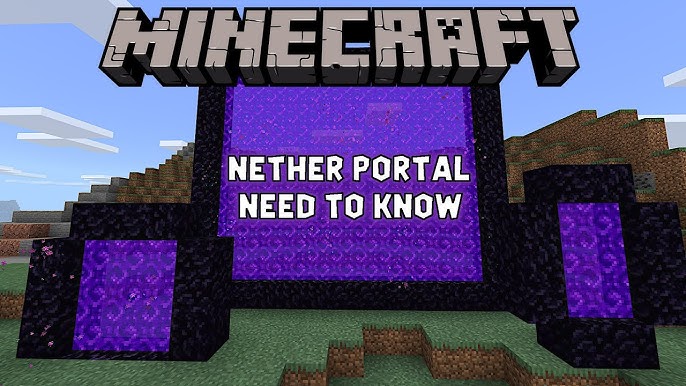
Advanced Nether Highway Designs
- Professional Minecraft builders use several advanced highway techniques.
- Ice boat highways provide the fastest possible Nether travel speed.
- Blue ice allows boats to reach 40+ blocks per second in the Nether.
- This creates an effective speed of 320+ blocks per second in Overworld terms.
- Soul speed boots combined with soul sand/soil paths offer another speed boost.
- These paths increase walking speed by 10-40% depending on enchantment level.
- Some players build multi-level highways for different destinations.
- This prevents the need for complex portal networks at ground level.
- Redstone-powered minecart systems work well for automated travel.
- These systems can transport players and items simultaneously.
- Water elevators help players change height levels quickly in highway hubs.
- Sophisticated players integrate storage systems into their highway networks.
- This allows for item transportation alongside player movement.
Troubleshooting Portal Problems
- Portal issues can ruin your entire Nether travel network.
- The most common problem is portals linking to wrong locations.
- This usually happens when coordinates don’t follow the 8:1 ratio properly.
- Fix this by breaking the incorrect portal and rebuilding at proper coordinates.
- Sometimes portals generate in dangerous locations like lava lakes.
- You can prevent this by pre-building platforms at your target coordinates.
- Portal generation fails when there’s no solid ground within range.
- Always check that your target area has suitable building space.
- Ghast fireballs can break portal frames if they’re not protected.
- Build protective walls around important portals to prevent damage.
- Some portals stop working after game updates or world corruption.
- Re-lighting the portal with flint and steel usually fixes this issue.
- Multiplayer servers sometimes have portal restrictions or plugins.
- Check server rules before building large portal networks.
Best Locations for Nether Portals
- Strategic portal placement maximizes your Nether travel efficiency.
- Your main base should always have the primary portal hub.
- This portal connects to your central Nether highway system.
- Resource gathering areas benefit from dedicated portals.
- Mining outposts, farms, and building sites all need quick access.
- Ocean monuments and end cities are perfect candidates for Nether shortcuts.
- These locations are often thousands of blocks from your main base.
- Village locations should have portals for trading and recruitment purposes.
- Strongholds need portals for quick access to the End dimension.
- Avoid placing portals in dangerous biomes like deserts or tundra.
- The Nether provides safer travel through these hostile areas.
- Consider future expansion when choosing portal locations.
- Your portal network should grow with your world development.
Nether Safety Tips for Fast Travel
- Traveling through the Nether requires proper safety preparations.
- Always carry fire resistance potions for emergency lava encounters.
- A bucket of water can save your life, but it doesn’t work in the Nether.
- Bring building blocks to create emergency shelters or bridges.
- Food is essential because sprinting through highways drains hunger quickly.
- Golden apples provide excellent emergency healing and absorption hearts.
- A shield helps block ghast fireballs and skeleton arrows.
- Ender pearls can help you escape dangerous situations quickly.
- Never travel without a backup portal-building kit (obsidian + flint and steel).
- Mark your route with distinctive blocks to avoid getting lost.
- Bring a bed to set your spawn point near important portals.
- However, beds explode in the Nether, so use them carefully.
- A totem of undying provides ultimate safety for dangerous expeditions.
Economic Benefits of Nether Travel
- Nether highways provide massive economic advantages in Minecraft.
- The time savings translate directly into more productive gameplay.
- You can visit multiple trading locations in the same session.
- Resource gathering becomes 8 times more efficient with proper portal placement.
- Large building projects benefit from rapid material transportation.
- The reduced travel time means more time for actual building and mining.
- Multiplayer servers see huge benefits from shared Nether highway networks.
- These systems reduce server lag by keeping players in smaller areas.
- The obsidian investment pays for itself quickly through time savings.
- Each portal saves hours of walking time over its lifetime.
- Professional builders often charge premium prices for highway construction services.
- This creates new economic opportunities on multiplayer servers.
Future of Nether Travel in Minecraft
- Minecraft continues to evolve, but Nether travel remains consistently powerful.
- Recent updates have added new Nether biomes without changing the 8:1 ratio.
- The introduction of Netherite made Nether exploration even more valuable.
- Future updates may add new transportation methods, but the ratio will likely remain.
- Mojang has confirmed the 8:1 ratio as a core game mechanic.
- New blocks like crying obsidian don’t affect portal functionality.
- The upcoming archaeology features may add new reasons to use Nether travel.
- Mod support continues to expand Nether travel possibilities.
- Popular mods add features like better portals and improved highway systems.
- The community keeps developing new techniques and strategies.
- This ensures Nether travel remains relevant for years to come.

FAQs
How many blocks is Nether travel?
In Minecraft, 1 block traveled in the Nether equals 8 blocks in the Overworld. This is because the Nether and Overworld coordinates are linked by a 1:8 ratio on the X and Z axes.
Can you make a Nether portal with 8 blocks?
Yes. You can build a Nether portal with a minimum of 10 obsidian blocks—but 8 blocks is too few. You can’t skip more than the two corners, so 8 doesn’t complete the frame.
Is Nether 7 or 8?
The Nether travel ratio is 1:8, meaning 1 block moved in the Nether equals 8 blocks in the Overworld.
How to calculate Nether travel?
Use the 1:8 ratio:
-
Overworld to Nether: Divide X and Z coordinates by 8.
-
Nether to Overworld: Multiply X and Z by 8.
This helps you link portals in both dimensions precisely.
How is Nether travel faster?
Nether travel is faster because the world scale is compressed by 1/8. By walking 100 blocks in the Nether, you move 800 blocks in the Overworld, making it ideal for long-distance travel or linking far-off locations.
What angers Piglins?
Piglins become hostile when you:
-
Open chests or mine gold near them
-
Wear no gold armor
-
Attack Piglins or Piglin Brutes
-
Take gold from bastions
Wearing at least one piece of gold armor keeps them neutral.
How to get Blue Ice?
You can get Blue Ice by:
-
Crafting: Combine 9 packed ice in a crafting table
-
Mining: Found in frozen ocean biomes or Snowy Villages
You need a Silk Touch tool to collect it.
How long is 1 block in the Nether?
1 Nether block (in X or Z direction) equals 8 blocks in the Overworld. However, the Y-axis (height) remains the same in both dimensions.
Conclusion
The Nether’s 8 block travel advantage transforms how you experience Minecraft.
This simple ratio turns hours of walking into minutes of efficient travel.
Every serious player needs to master this fundamental game mechanic.
Start with a basic portal pair between your base and a distant location.
Test the system and gradually expand into a full highway network.
Remember to follow proper coordinate math and safety procedures.
The time investment in building these systems pays massive dividends.
Your productivity and enjoyment of Minecraft will increase dramatically.
The 8:1 ratio isn’t just a neat trick – it’s essential knowledge.
Master Nether travel, and you’ll never want to walk long distances in the Overworld again.