
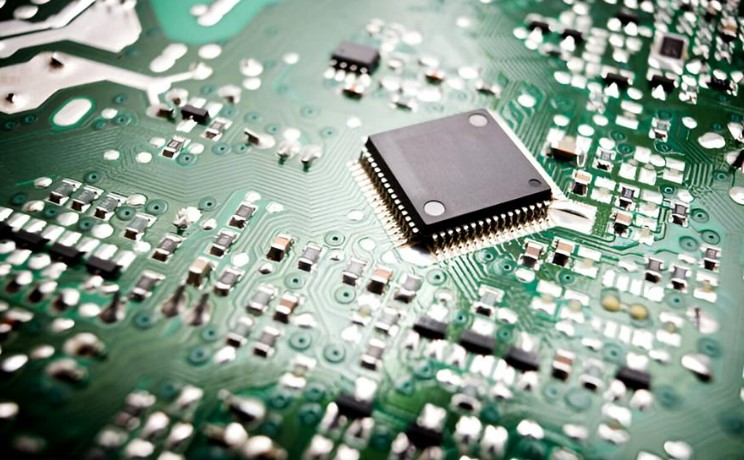

As electronic devices become more compact, powerful, and thermally demanding, traditional PCB materials like FR4 sometimes fall short. This is where ceramic PCBs come into play. These advanced circuit boards are well-suited for high-temperature, high-frequency, and high-density applications—making them ideal for industries like aerospace, automotive, and power electronics.
This article offers a practical introduction to ceramic PCBs, exploring their advantages, applications, and why partnering with trusted PCB manufacturers in the USA for your project can ensure quality, performance, and reliability.
What Are Ceramic PCBs?
Ceramic PCBs are printed circuit boards that use ceramic materials—such as alumina (Al₂O₃), aluminum nitride (AlN), or beryllium oxide (BeO)—as the base substrate instead of conventional epoxy resin. These ceramic substrates are known for their excellent thermal conductivity, high dielectric strength, and mechanical stability.
Related Posts




Unlike traditional multilayer PCBs that require a separate dielectric and conductive layer, ceramic PCBs can integrate conductive layers directly onto the ceramic material through thick-film or thin-film technology.
Types of Ceramic PCB Materials
There are several common ceramic materials used in PCB manufacturing:
- Alumina (Al₂O₃)
- Widely used due to its affordability and decent thermal performance
- Thermal conductivity around 20–30 W/m·K
- Excellent insulation and mechanical properties
- Aluminum Nitride (AlN)
- Higher thermal conductivity (~170–200 W/m·K)
- Ideal for applications with extreme heat dissipation requirements
- Higher cost, but superior performance
- Beryllium Oxide (BeO)
- Very high thermal conductivity (~250 W/m·K)
- Toxic in raw powder form; limited use due to handling risks
- Used only in highly specialized applications
These materials enable ceramic PCBs to perform well in situations where traditional substrates would degrade or fail.
Advantages of Ceramic PCBs
The growing popularity of ceramic PCBs in critical industries is driven by several unique advantages:
- Exceptional Thermal Conductivity
Ceramic PCBs dissipate heat much more efficiently than standard materials like FR4, making them ideal for high-power components such as LEDs, power transistors, and laser diodes.
- High Frequency Performance
Ceramic materials have stable dielectric properties that reduce signal loss at high frequencies. This makes them highly suitable for RF, microwave, and millimeter-wave applications.
- Miniaturization and High-Density Design
Ceramic substrates allow for tighter layouts and high component densities, enabling designers to shrink the size of the overall circuit while maintaining performance.
- Mechanical Strength and Chemical Resistance
Ceramics are resistant to vibration, corrosion, and moisture. This makes them suitable for harsh environments, including aerospace and automotive sectors.
- No Need for Dielectric Layers
With direct metallization techniques, signal layers can be applied directly onto the ceramic material, simplifying the stack-up and improving reliability.
Applications of Ceramic PCBs
Ceramic PCBs are used in a wide range of advanced applications, including:
- LED lighting systems (especially high-lumen outputs)
- Power electronics (e.g., IGBT modules, converters, and inverters)
- Automotive electronics (e.g., engine controls, sensors)
- Medical devices (e.g., high-precision diagnostic equipment)
- RF and microwave devices (e.g., antennas, radar systems)
- Aerospace and defense (e.g., guidance systems, satellite modules)
The performance of ceramic PCBs under high temperature and voltage makes them essential in these critical systems.
Choosing the Right PCB Manufacturer in the USA
If you’re working on a project that demands high reliability, thermal efficiency, and frequency performance, choosing PCB manufacturers in the USA for your project offers significant benefits:
- Strict Quality Standards
Manufacturers in the USA typically follow rigorous IPC standards and offer full material traceability. This is especially important in regulated industries like medical and aerospace.
- Advanced Capabilities
Leading U.S.-based PCB manufacturers are equipped with the latest technologies for ceramic PCB fabrication, including laser drilling, precision metallization, and automated optical inspection (AOI).
- Reduced Lead Times
With domestic manufacturing, you can reduce shipping time, avoid customs delays, and accelerate your product development cycle.
- Better Collaboration and Support
Local communication, time zone alignment, and direct engineering support make collaboration much easier and more effective, especially for complex or customized designs.
How to Get Started with Ceramic PCB Manufacturing
To begin your ceramic PCB project, you should:
- Define application requirements – temperature, voltage, frequency, and component density.
- Choose the appropriate ceramic material based on thermal, electrical, and budget considerations.
- Work with a qualified U.S.-based manufacturer that offers ceramic PCB prototyping and low-to-high volume production.
Top PCB manufacturers in the USA for your project can offer not only production support but also valuable insights into layout design, thermal simulation, and cost optimization.
Final Thoughts
This introduction to ceramic PCBs has outlined the unique benefits of ceramic substrates and their growing role in demanding applications. Their unmatched thermal performance, dielectric properties, and mechanical durability make them the go-to choice for power electronics, RF systems, and beyond.
If you’re planning a project that requires robust PCB performance in harsh or high-frequency environments, working with trusted PCB manufacturers in the USA for your project ensures high-quality results, compliance, and local support. Ceramic PCBs are an investment in long-term reliability—and partnering with the right manufacturer is the first step in making your project successful.