

How far is Cuba from Florida might shock you – it’s just 90 miles of open water separating these two regions. Many people think Cuba sits much farther from the United States than it actually does.
The short distance between Key West, Florida and Havana, Cuba has shaped decades of political tension and human stories.
This proximity affects everything from weather patterns to migration routes across the Florida Straits.




Quick Answer: Cuba to Florida Distance
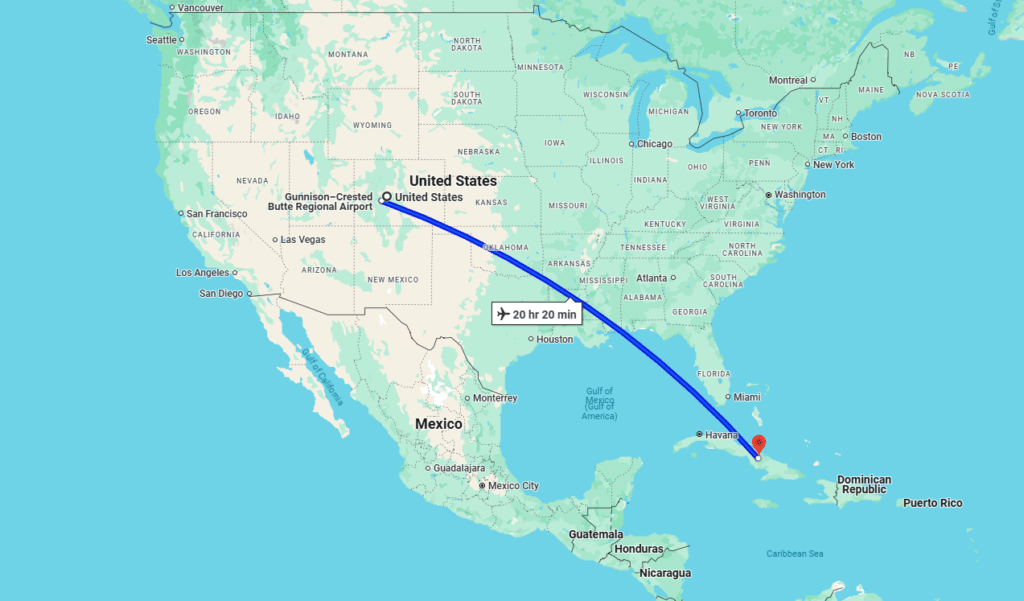
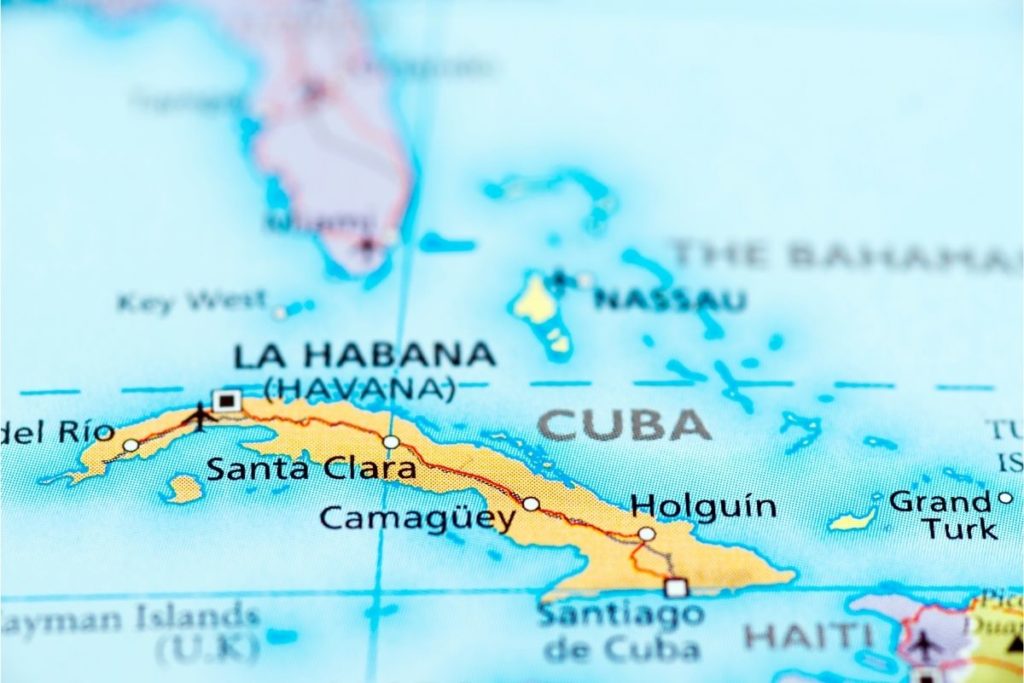
Cuba is approximately 90 miles (145 kilometers) from Florida at the closest point.
The shortest distance runs from Key West, Florida to the northern coast of Cuba.
This measurement represents the straight-line distance across the Florida Straits.
However, different starting points in Florida create varying distances to Cuban shores.
Exact Distance Measurements Between Cuba and Florida
Key West to Cuba Distance
- Key West sits as the southernmost point of the continental United States.
- From Key West to Havana, Cuba, the distance measures exactly 103 miles (166 kilometers).
- The closest point between Key West and Cuba’s northern shore spans just 90 miles.
- This makes Key West the nearest U.S. city to Cuban territory.
Miami to Cuba Distance
- Miami to Havana stretches approximately 228 miles (367 kilometers).
- The distance from Miami to Cuba’s closest point measures about 200 miles.
- Miami serves as a major hub for Cuban-American communities.
- Many Cuban refugees have made this journey across the dangerous waters.
Other Florida Cities to Cuba
Tampa to Cuba: 300 miles (483 kilometers)
Jacksonville to Cuba: 450 miles (724 kilometers)
Orlando to Cuba: 280 miles (451 kilometers)
Fort Lauderdale to Cuba: 210 miles (338 kilometers)
The distance increases as you move north along Florida’s coastline.
Geographic Features Between Cuba and Florida
The Florida Straits
- The Florida Straits separate Cuba from the Florida Keys.
- This narrow channel connects the Gulf of Mexico to the Atlantic Ocean.
- Water depths in the straits reach up to 6,000 feet in some areas.
- The Gulf Stream flows through these waters at speeds up to 5 mph.
Underwater Topography
- The ocean floor between Cuba and Florida features dramatic changes.
- Shallow coral reefs dot the northern sections near the Florida Keys.
- Deep trenches and underwater canyons characterize the central straits.
- These features create challenging navigation conditions for boats.
Island Chains and Barriers
- Several small islands exist between Cuba and Florida.
- The Dry Tortugas National Park sits 70 miles west of Key West.
- These islands serve as stepping stones for migrating birds and marine life.
- Coral reefs form natural barriers throughout the region.
Travel Time and Methods Between Cuba and Florida
By Air Travel
- Commercial flights from Miami to Havana take approximately 45 minutes.
- Private aircraft can complete the journey in 30-40 minutes.
- Flight paths typically follow established air corridors over the straits.
- Weather conditions can significantly impact flight times.
By Sea Travel
High-speed ferries: 3-4 hours (when available)
Private boats: 6-8 hours depending on vessel size
Cruise ships: 8-12 hours with scenic routes
Cargo ships: 12-18 hours with stops
Swimming Attempts
- Long-distance swimmers have attempted the Cuba-to-Florida crossing.
- Diana Nyad successfully swam from Cuba to Key West in 53 hours.
- The journey covers approximately 110 miles due to currents.
- Dangerous marine life and weather make this extremely risky.
Historical Context of Cuba-Florida Proximity
Early Exploration and Settlement
- Spanish explorers used the short distance for quick travel between territories.
- Trade routes flourished between Cuban ports and Florida settlements.
- The proximity facilitated cultural exchange for centuries.
- Native American groups likely traveled between the regions.
Cuban Revolution Impact
- The 1959 Cuban Revolution changed everything about Cuba-Florida relations.
- Political refugees began making dangerous crossings to reach Florida.
- The close distance became both a blessing and a curse for migrants.
- U.S. immigration policies evolved to address the proximity issue.
Cold War Tensions
- The Cuban Missile Crisis of 1962 highlighted the strategic importance of distance.
- Nuclear missiles in Cuba could reach major U.S. cities within minutes.
- The proximity created intense security concerns for both nations.
- Military installations on both sides monitored the narrow straits.
Current Travel Restrictions and Regulations
U.S. Travel Policies
- American citizens face strict regulations for visiting Cuba.
- Permitted travel categories include family visits and educational purposes.
- Commercial flights operate under specific government guidelines.
- Private boat travel requires special permits and documentation.
Cuban Entry Requirements
- Cuban authorities require visas for most U.S. visitors.
- Tourist cards serve as temporary visas for short stays.
- Medical insurance must be purchased before arrival.
- Currency restrictions affect spending within Cuba.
Maritime Boundaries
- The maritime border between Cuba and Florida follows international law.
- Exclusive economic zones extend 200 miles from each coastline.
- Fishing rights and resource extraction follow established treaties.
- Coast Guard patrols monitor both sides of the border.
Weather Patterns and Ocean Conditions
Hurricane Season Impact
- The short distance means weather systems affect both regions simultaneously.
- Hurricanes often strengthen over the warm waters of the straits.
- Storm tracks frequently cross between Cuba and Florida.
- Both areas share similar hurricane season preparations.
Ocean Currents and Conditions
- The Gulf Stream creates strong currents through the Florida Straits.
- Water temperatures remain warm year-round, averaging 75-85°F.
- Tidal patterns influence navigation and marine life.
- Storm surges can be amplified by the narrow channel.
Seasonal Weather Variations
Summer: Calm seas but intense heat and humidity
Winter: Rougher seas with cooler temperatures
Spring: Variable conditions with strong winds
Fall: Hurricane season creates dangerous conditions
Migration and Human Stories
Refugee Journeys
- Thousands of Cubans have risked their lives crossing the Florida Straits.
- The journey typically takes 6-12 hours in small boats.
- Many attempts end in tragedy due to rough seas and mechanical failures.
- Success stories inspire others to attempt the dangerous crossing.
Coast Guard Rescues
- The U.S. Coast Guard patrols these waters constantly.
- Rescue operations save hundreds of lives annually.
- International maritime law governs rescue procedures.
- Cooperation between nations ensures humanitarian responses.
Family Reunification
- The short distance makes family separation particularly painful.
- Relatives can literally see each other’s coastlines on clear days.
- Communication across the straits remains challenging.
- Emotional impacts affect entire communities on both sides.
Economic Implications of the Distance
Trade Potential
- The proximity creates enormous potential for bilateral trade.
- Natural shipping lanes could handle massive cargo volumes.
- Agricultural products could move quickly between markets.
- Tourism industries on both sides could benefit significantly.
Fishing Industry
- Shared fishing grounds span the Florida Straits.
- Commercial fishing fleets from both nations operate in the area.
- Sustainable fishing practices require international cooperation.
- Marine protected areas help preserve fish populations.
Energy Resources
- Potential oil and gas reserves exist beneath the straits.
- Deep-water drilling technology could access these resources.
- Environmental concerns limit exploration activities.
- International agreements govern resource extraction rights.
Marine Life and Environmental Factors
Coral Reef Systems
- Extensive coral reefs connect Cuban and Florida waters.
- These reefs support diverse marine ecosystems.
- Climate change threatens the health of reef systems.
- Conservation efforts require cooperation between nations.
Migrating Species
- Many marine species migrate between Cuban and Florida waters.
- Sea turtles, dolphins, and whales regularly cross the straits.
- Bird migration routes follow the island chains.
- Seasonal patterns affect wildlife populations.
Environmental Challenges
Pollution: Affects both Cuban and Florida coastlines
Overfishing: Threatens sustainable fish populations
Climate change: Raises sea levels and water temperatures
Plastic waste: Accumulates in currents and on beaches
Future Prospects and Developments
Potential Transportation Links
- Engineers have proposed tunnel and bridge connections.
- Underwater tunnels could span the shortest distance.
- Economic costs would be enormous for such projects.
- Political relations must improve before major infrastructure projects.
Tourism Development
- Normalized relations could create a tourism boom.
- Day trips between Florida and Cuba could become common.
- Cultural exchange programs could flourish.
- Economic benefits would flow to both regions.
Scientific Collaboration
- Marine research could benefit from shared data.
- Climate studies require information from both sides.
- Environmental protection needs coordinated efforts.
- Educational exchanges could advance scientific knowledge.
Fascinating Facts About Cuba-Florida Distance
Record-Breaking Achievements
- Diana Nyad’s 53-hour swim from Cuba to Florida at age 64
- Fastest powerboat crossing: 45 minutes
- First successful jetski crossing: 4 hours
- Longest kite surfing attempt: 8 hours
Geographic Comparisons
- Distance equals driving from New York to Philadelphia
- Shorter than the English Channel (21 miles)
- Similar to the distance between Sicily and mainland Italy
- Comparable to crossing Lake Michigan at its widest point
Historical Milestones
- First airplane flight between the regions: 1913
- Earliest recorded swimming attempt: 1950
- Last legal ferry service: 1960
- Most recent diplomatic meetings: 2016
Safety Considerations for the Journey
Weather Monitoring
- Professional weather services track conditions constantly.
- Sudden storms can develop within hours.
- Wave heights can exceed 15 feet during rough weather.
- Visibility drops dramatically during tropical storms.
Navigation Challenges
- Strong currents can push vessels off course.
- Coral reefs create hidden dangers for boats.
- GPS systems may have limited accuracy in some areas.
- Emergency communication can be difficult in mid-crossing.
Maritime Safety Equipment
Required safety gear:
- Life jackets for all passengers
- Emergency flares and signaling devices
- First aid kits and medical supplies
- Extra fuel and water supplies
- Navigation equipment and backup systems
Emergency Procedures
Coast Guard rescue coordination operates 24/7.
International maritime law governs rescue operations.
Emergency frequencies monitor distress calls.
Helicopter rescues are possible within range limits.
Cultural Impact of the Proximity
Language and Communication
- Spanish and English blend in border communities.
- Cultural traditions mix and influence each other.
- Radio and television signals cross the straits.
- Music and art styles show mutual influence.
Family Connections
- Divided families maintain connections across the water.
- Generational differences affect attitudes toward the distance.
- Community organizations facilitate cultural exchange.
- Religious practices show influence from both cultures.
Food and Cuisine
- Cuban cuisine heavily influences Florida Keys cooking.
- Seafood preparation techniques cross cultural boundaries.
- Spice trades historically connected the regions.
- Restaurant scenes reflect mixed cultural influences.
Economic Development Opportunities
Port Infrastructure
- Modern ports could handle increased traffic between regions.
- Cargo shipping could create thousands of jobs.
- Container services could connect global markets.
- Cruise ship terminals could boost tourism significantly.
Investment Potential
- Real estate values could increase with normalized relations.
- Joint ventures could develop marine resources.
- Technology companies could benefit from expanded markets.
- Agricultural cooperation could improve food security.
Employment Opportunities
- Translation services would see increased demand.
- Maritime industries could expand significantly.
- Tourism jobs would multiply on both sides.
- Construction projects would create temporary employment.
FAQs
Is Cuba 90 miles from Florida?
Yes, Cuba is about 90 miles from the southern tip of Florida.
This distance refers to the stretch between Key West and Havana.
What is the closest point between Florida and Cuba?
The shortest distance is between Key West, Florida and Havana, Cuba.
That stretch is approximately 94 miles (151 km) across the Straits of Florida.
Is it possible to see Cuba from Florida?
No, you cannot see Cuba from Florida with the naked eye.
The curvature of the Earth and atmospheric conditions make it impossible.
How many hours is Florida from Cuba?
A direct flight from Florida to Cuba takes about 1 to 1.5 hours.
Travel time may vary based on departure city and flight route.
Can I drive to Cuba from Florida?
No, you cannot drive to Cuba from Florida.
There are no bridges or tunnels—only air or sea travel is possible.
Is Cuba a US territory?
No, Cuba is not a U.S. territory—it is an independent nation.
The U.S. does, however, maintain a naval base at Guantánamo Bay.
Conclusion
How far is Cuba from Florida reveals a surprising truth about international relations.
The mere 90 miles separating these neighbors represents both opportunity and challenge.
Political differences have kept these close neighbors apart for decades.
Geographic proximity creates natural connections that transcend political boundaries.
Weather patterns, marine life, and cultural influences flow freely across the Florida Straits.
The short distance amplifies both the potential benefits and risks of closer relations.
Future generations may view this separation as a temporary historical anomaly.
The physical closeness of Cuba and Florida suggests inevitable connections.
Understanding this distance helps explain the complex relationship between these neighboring regions.
Perhaps someday, the 90 miles will unite rather than divide these communities.