

How far can a horse travel in a day without getting tired or hurt? This question pops up in every horse owner’s mind when planning long rides or trail adventures.
Most horses can safely travel 20-30 miles per day at moderate speeds with proper rest breaks.
However, the actual distance depends on multiple factors like the horse’s fitness level, terrain difficulty, weather conditions, and riding style.




Understanding these daily riding limits helps you keep your horse healthy while enjoying longer journeys together.
What Determines How Far a Horse Can Travel Daily?
The distance a horse can travel in one day isn’t a simple number.
Several important factors work together to determine your horse’s daily travel limits.
Your horse’s age plays a huge role in determining travel distance.
Young horses under 4 years old shouldn’t travel more than 15-20 miles per day.
Adult horses between 5-15 years can handle 25-40 miles depending on their fitness.
Senior horses over 20 years need shorter distances of 10-15 miles maximum.
Physical Fitness Level
- Just like humans, horses need good fitness to travel long distances.
- A well-conditioned horse can easily cover 30-40 miles per day.
- Unfit horses should start with 5-10 mile rides and gradually build endurance.
- Regular training increases muscle strength, heart health, and stamina.
- Horses used for ranch work or competitive riding typically have higher fitness levels.
Breed and Body Type
- Different horse breeds have varying abilities for long-distance travel.
- Arabian horses excel at endurance riding and can travel 50+ miles daily.
- Quarter horses work well for moderate distances of 20-30 miles.
- Draft horses like Clydesdales aren’t built for long-distance travel.
- Thoroughbreds have good speed but may tire faster on very long rides.
Terrain and Ground Conditions
- The type of ground your horse travels on greatly affects daily distance.
- Flat, even trails allow horses to travel farther with less effort.
- Rocky or mountainous terrain reduces safe travel distance by 30-50%.
- Sand and deep mud make horses work harder and tire faster.
- Paved roads can cause joint stress and should be avoided for long rides.
Weather Impact on Travel Distance
- Temperature and weather conditions directly affect how far horses can safely travel.
- Hot weather above 85°F reduces safe travel distance significantly.
- Cold weather below 32°F requires extra energy and shorter rides.
- High humidity makes horses sweat more and tire faster.
- Rain and wet conditions increase slip risks and require slower speeds.
Average Daily Travel Distances for Horses
Understanding typical daily travel distances helps you plan safe rides.
Most recreational riders should aim for conservative distances to protect their horses.
Beginner Rider and Horse Combinations
New riders with inexperienced horses should start small.
Daily Distance: 5-10 miles
- This allows both horse and rider to build confidence safely.
- Short rides prevent fatigue and reduce injury risks.
- Gradual increases work better than jumping to longer distances.
Intermediate Riding Level
Riders with some experience and moderately fit horses can go farther.
Daily Distance: 15-25 miles
- This distance range works well for weekend trail rides.
- Multiple rest stops help maintain horse energy throughout the day.
Advanced Endurance Riding
Experienced riders with highly conditioned horses can cover greater distances.
Daily Distance: 30-50 miles
- Competitive endurance riders regularly achieve these distances.
- Proper preparation and training are absolutely essential.
Professional Long-Distance Records
Some horses and riders push beyond normal limits in special circumstances.
Daily Distance: 50-100+ miles
- Pony Express riders historically covered 75-100 miles daily.
- Modern endurance competitions can exceed 100 miles in one day.
- These extreme distances require exceptional horses and expert riders.
Horse Travel Speed and Its Effect on Daily Distance
Speed directly impacts how far your horse can travel safely in one day.
Faster speeds tire horses quicker and reduce total daily distance.
Walking Speed (3-4 mph)
- Walking represents the most sustainable pace for long-distance travel.
- Horses can maintain this speed for 6-8 hours daily.
- Total daily distance at walking speed: 18-32 miles.
- This pace puts minimal stress on joints and muscles.
Trotting Speed (8-12 mph)
- Trotting increases speed but reduces sustainable travel time.
- Horses can trot for 2-4 hours with proper rest breaks.
- Total daily distance with mixed trotting: 20-35 miles.
- Alternating between walking and trotting works best for longer rides.
Cantering and Galloping Speeds (12-25+ mph)
- Fast gaits dramatically reduce sustainable travel distance.
- Horses can only maintain these speeds for short bursts.
- Extended cantering or galloping isn’t practical for long-distance travel.
- These speeds work better for shorter, high-intensity rides.
Factors That Limit Daily Horse Travel Distance
Several physical and environmental factors create natural limits on daily travel.
Understanding these limitations helps prevent horse injuries and fatigue.
Muscle Fatigue and Recovery
- Horse muscles need time to recover from extended exercise.
- Lactic acid buildup causes muscle soreness and reduced performance.
- Proper warm-up and cool-down periods help prevent muscle problems.
- Signs of muscle fatigue include stumbling, slow response, and reluctance to move.
Joint Stress and Impact
- Repeated impact from long rides stresses horse joints significantly.
- Hard surfaces like concrete increase joint stress compared to soft trails.
- Older horses experience more joint stress than younger animals.
- Proper shoeing and leg protection help reduce joint impact.
Cardiovascular Limitations
- A horse’s heart and lungs limit sustainable exercise duration.
- Heart rate should return to normal within 10-15 minutes of stopping.
- Elevated breathing that doesn’t return to normal indicates overexertion.
- Regular fitness training improves cardiovascular capacity over time.
Dehydration and Electrolyte Loss
- Horses lose significant water and minerals through sweat during long rides.
- Dehydration reduces performance and can cause serious health problems.
- Electrolyte imbalances affect muscle function and coordination.
- Access to clean water every 2-3 hours prevents dehydration issues.
Signs Your Horse Has Reached Daily Travel Limits
Recognizing fatigue signs prevents pushing horses beyond safe limits.
Smart riders stop before their horses become dangerously tired.
Physical Fatigue Symptoms
- Excessive sweating that doesn’t match the work intensity.
- Heavy breathing that continues long after stopping.
- Stumbling or tripping more frequently than normal.
- Reluctance to move forward or respond to rider cues.
- Muscle trembling in legs or other body parts.
Behavioral Changes
- Decreased alertness and responsiveness to surroundings.
- Irritability or resistance to normal riding aids.
- Head hanging low while standing or moving.
- Lack of interest in food or water during rest stops.
- Unusual restlessness or inability to stand still.
Dangerous Warning Signs
- Elevated heart rate that doesn’t decrease with rest.
- Rapid, shallow breathing that continues after stopping.
- Dry mouth and gums indicating dehydration.
- Unsteady gait or coordination problems.
- Excessive heat in legs or other body parts.
Rest Requirements for Long-Distance Horse Travel
Proper rest breaks are essential for safe long-distance horse travel.
Strategic rest stops help horses maintain energy throughout the day.
Short Rest Breaks (5-10 minutes)
- These brief stops should occur every 45-60 minutes of riding.
- Allow horses to catch their breath and relax tense muscles.
- Check for equipment problems or developing issues.
- Offer small amounts of water if available.
Medium Rest Breaks (15-30 minutes)
- Plan longer breaks every 2-3 hours of travel.
- Remove saddles to allow air circulation and pressure relief.
- Provide water and allow horses to graze if possible.
- Check legs and hooves for problems or injuries.
Extended Rest Periods (1-2 hours)
- Long rest stops work best during the hottest part of the day.
- Find shade and allow horses to fully relax and recover.
- Provide adequate water and food for energy restoration.
- Monitor horses for signs of fatigue or health problems.
Overnight Rest Requirements
- Horses need 8-10 hours of rest between long riding days.
- Provide quality hay or pasture for proper nutrition.
- Ensure access to clean, fresh water throughout the night.
- Check for injuries or problems that developed during the day.
Conditioning Horses for Longer Daily Distances
Building horse fitness takes time and consistent training.
Proper conditioning prevents injuries and improves performance.
Base Fitness Development (Weeks 1-4)
- Start with short rides of 30-45 minutes at walking speed.
- Gradually increase ride duration by 10-15 minutes weekly.
- Focus on building basic cardiovascular fitness.
- Allow one day of rest between training sessions.
Intermediate Conditioning (Weeks 5-8)
- Increase ride duration to 1-2 hours with mixed gaits.
- Add gentle hills and varied terrain to build strength.
- Include 2-3 training rides per week with rest days.
- Monitor horse response and adjust intensity accordingly.
Advanced Conditioning (Weeks 9-12)
- Extend training rides to 3-4 hours for long-distance goals.
- Include practice rides at target distances with full gear.
- Maintain consistent training schedule without overworking.
- Focus on recovery and injury prevention strategies.
Competition Preparation (Weeks 13+)
- Simulate actual riding conditions during training.
- Practice nutrition and hydration strategies for long rides.
- Include back-to-back training days to test recovery ability.
- Taper training intensity before major rides or competitions.
Nutrition and Hydration for Long-Distance Travel
Proper fuel keeps horses energized throughout long riding days.
Planning nutrition and water intake prevents performance problems.
Pre-Ride Nutrition
- Feed horses 2-3 hours before starting long rides.
- Provide quality hay or pasture grass for sustained energy.
- Avoid large grain meals immediately before riding.
- Ensure horses have access to fresh water before departure.
During-Ride Nutrition
Water Requirements:
- 5-10 gallons per day depending on weather and work intensity
- Offer water every 2-3 hours during long rides
- Monitor water intake to ensure adequate consumption
- Use electrolyte supplements in hot weather or heavy work
Energy Supplements:
- Small amounts of grain or treats every 2-3 hours
- Fresh grass during rest stops if available
- Commercial endurance feeds for long competitions
- Avoid overfeeding during active travel periods
Post-Ride Recovery Nutrition
- Cool horses down before offering food or water.
- Provide small amounts of water initially, then unlimited access.
- Offer quality hay within 30-60 minutes of finishing.
- Replace electrolytes lost through sweat during long rides.
Safety Considerations for Daily Horse Travel
Safety should always be the top priority during long-distance riding.
Proper preparation prevents most common riding accidents and injuries.
Essential Safety Equipment
- Proper helmet that meets current safety standards.
- First aid kit for both horse and human injuries.
- Communication device like cell phone or GPS messenger.
- Emergency contact information easily accessible.
- Basic tools for equipment repairs and adjustments.
Route Planning and Preparation
- Research trail conditions and potential hazards before departure.
- Inform others about your planned route and expected return time.
- Identify water sources, rest areas, and emergency access points.
- Check weather forecasts and adjust plans if necessary.
- Carry maps or GPS devices for navigation assistance.
Emergency Preparedness
- Know signs of serious horse health problems requiring immediate attention.
- Have contact information for local veterinarians along your route.
- Understand basic first aid for common horse injuries.
- Plan escape routes from trails in case of emergencies.
- Carry emergency supplies appropriate for ride duration and location.
Different Horse Disciplines and Daily Travel Limits
Various riding disciplines have different approaches to daily travel distances.
Understanding these differences helps set appropriate goals for your situation.
Trail Riding and Recreation
Typical Distance: 10-25 miles per day
- Recreational trail riding focuses on enjoyment rather than maximum distance.
- Scenic routes with frequent stops are more important than speed or distance.
- Multiple rest breaks allow for photography and wildlife observation.
- Flexibility in plans accommodates horse and rider needs throughout the day.
Competitive Endurance Riding
Competition Distance: 25-100+ miles per day
- Endurance competitions test horse and rider fitness over long distances.
- Strict veterinary checks ensure horse health throughout the event.
- Completion rates average 60-70% due to the demanding nature.
- Years of specialized training prepare horses for these extreme distances.
Ranch Work and Cattle Drives
Working Distance: 15-30 miles per day
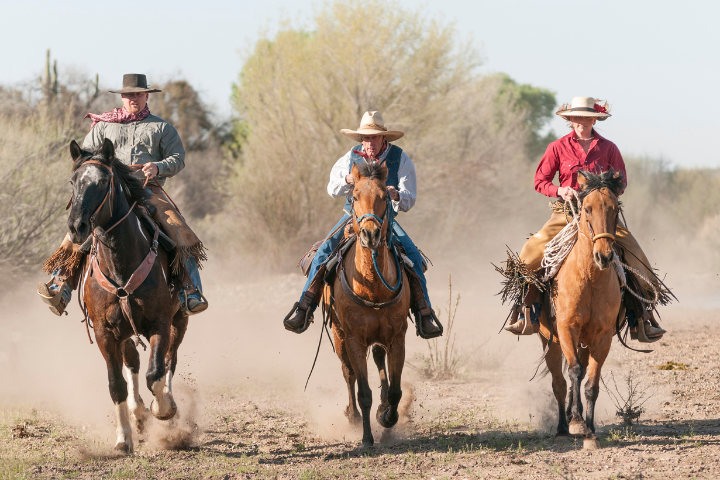
- Ranch horses often work long days covering moderate distances.
- Work includes cattle handling, fence checking, and general ranch duties.
- Multiple horses allow rotation to prevent overwork of individual animals.
- Practical considerations like terrain and cattle behavior affect daily distances.
Historical Long-Distance Travel
Historical Distance: 20-40 miles per day
- Pony Express riders averaged 75-100 miles daily using multiple horses.
- Military cavalry units typically covered 20-30 miles per day.
- Wagon trains with horses averaged 15-20 miles daily over long journeys.
- These historical examples show proven capabilities under various conditions.
Seasonal Considerations for Horse Travel Distance
Different seasons create unique challenges for long-distance horse travel.
Adjusting expectations and preparation for seasonal conditions improves safety.
Spring Riding Conditions
Typical Adjustments: Reduce distance by 10-20%
Muddy trails from snowmelt increase difficulty and slip risks.
Horses losing winter fitness need gradual conditioning.
Unpredictable weather requires flexible planning and extra preparation.
Insect activity begins affecting horse comfort and focus.
Summer Heat Challenges
Typical Adjustments: Reduce distance by 20-30% in extreme heat
Start rides early morning to avoid peak heat hours.
Plan longer rest breaks during the hottest part of the day.
Increase water requirements and monitor for heat stress signs.
Consider night riding in extremely hot climates.
Fall Optimal Conditions
Typical Adjustments: Maintain normal distances
Cooler temperatures and lower humidity create ideal riding conditions.
Horses maintain good fitness from summer activity.
Stable weather patterns make planning easier and more reliable.
Beautiful scenery motivates longer rides and trail exploration.
Winter Weather Limitations
Typical Adjustments: Reduce distance by 30-40%
Cold temperatures require extra energy for body heat maintenance.
Snow and ice create dangerous footing conditions.
Shorter daylight hours limit available riding time.
Equipment and clothing requirements increase preparation time.
Common Mistakes That Limit Daily Horse Travel
Avoiding these common errors helps horses travel farther safely.
Learning from other riders’ mistakes prevents problems and injuries.
Overestimating Horse Fitness
- Many riders assume their horses are fitter than they actually are.
- Start with conservative distances and gradually increase based on performance.
- Regular fitness testing helps establish realistic daily distance goals.
- Document horse response to different distances and conditions.
Inadequate Rest and Recovery
- Pushing through fatigue signs leads to injuries and long-term problems.
- Plan more rest stops than you think you need.
- Quality rest is more important than maintaining strict schedules.
- Allow horses to fully recover between long riding days.
Poor Route Planning
- Underestimating terrain difficulty causes horses to tire faster than expected.
- Research elevation changes, footing conditions, and water availability.
- Have backup plans for shorter routes if conditions deteriorate.
- Consider trailer access for emergency horse pickup.
Ignoring Weather Conditions
- Weather changes can quickly make planned distances dangerous.
- Monitor forecasts regularly and adjust plans accordingly.
- Recognize signs of weather-related stress in horses.
- Carry appropriate gear for changing conditions.
FAQs
How far can horses go in a day?
A healthy horse can travel 25–35 miles (40–56 km) in a day at a moderate pace.
Trained endurance horses can go 50–100 miles (80–160 km) in a single day.
What is the 20 rule for horses?
The “20% rule” states a horse should carry no more than 20% of its body weight, including rider and gear.
For example, a 1,000 lb (450 kg) horse should carry a maximum of 200 lb (90 kg).
How far can a horse run without stopping?
At a gallop, a horse can run 1–2 miles (1.6–3.2 km) before exhaustion sets in.
With rest and water, a fit horse can trot or canter up to 20 miles in a day.
How much faster is horse travel than walking?
Horses travel about 2–3 times faster than humans walking.
Average human walking speed: 3 mph; horse trot/canter: 8–12 mph.
What animal travels the farthest in a day?
The Arctic Tern migrates up to 200 miles (320 km) per day during seasonal migration.
Among land animals, reindeer and wolves can travel over 30–40 miles in a day.
How do horses sleep?
Horses sleep standing up using a “stay apparatus” but need to lie down for REM sleep.
They nap throughout the day, lying down for deep sleep only 1–2 hours daily.
Conclusion
How far can a horse travel in a day depends on many factors working together.
Most horses can safely cover 20-30 miles daily with proper preparation and care.
Fitness level, terrain difficulty, weather conditions, and rider experience all affect daily travel limits.
Starting with shorter distances and gradually building endurance prevents injuries and problems.
Recognizing fatigue signs and providing adequate rest keeps horses healthy during long rides.
Proper nutrition, hydration, and recovery strategies support longer daily travel distances safely.
Remember that every horse is different, and individual capabilities vary significantly.
Building a partnership based on trust and communication helps you discover your horse’s true potential.
Safe, enjoyable long-distance riding comes from understanding and respecting your horse’s limits while gradually expanding capabilities through proper training and conditioning.
The journey is more important than the destination when it comes to long-distance horse travel.