

How far can a centerfire bullet travel before it loses its deadly power? This question keeps many hunters and shooting enthusiasts awake at night.
The truth is, centerfire bullets can travel much farther than most people think.
Some can fly over 4 miles under perfect conditions.




But here’s what really matters for your safety and success.
Understanding bullet travel distance could save lives and make you a better shooter.
Let’s break down everything you need to know about centerfire bullet range and ballistics.
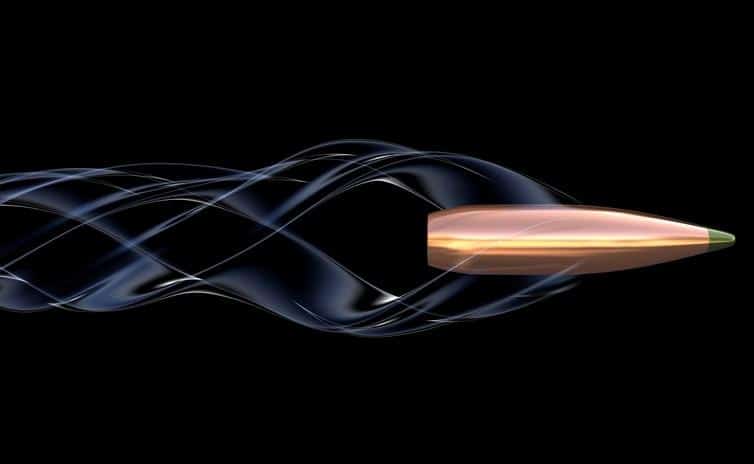
What Makes Centerfire Bullets Travel So Far?
Centerfire ammunition gets its name from the primer location in the center of the cartridge base.
This design creates more consistent ignition compared to rimfire cartridges.
The result is higher velocities and longer effective ranges.
Key factors that affect centerfire bullet distance:
- Muzzle velocity (speed when leaving the barrel)
- Bullet weight and shape
- Barrel length and rifling
- Atmospheric conditions
- Angle of fire
Most centerfire cartridges produce muzzle velocities between 2,000 to 4,000 feet per second.
This incredible speed allows bullets to maintain lethal energy over long distances.
The ballistic coefficient of the bullet also plays a huge role in distance capability.
Maximum Range vs Effective Range: The Critical Difference
Here’s where most people get confused about bullet travel distance.
Maximum range means how far a bullet can physically travel before hitting the ground.
Effective range means how far a bullet remains accurate and lethal for its intended purpose.
Maximum Range Examples:
- .223 Remington: Up to 3,200 yards
- .308 Winchester: Up to 4,200 yards
- .30-06 Springfield: Up to 5,500 yards
- .300 Win Mag: Up to 5,800 yards
Effective Range Examples:
- .223 Remington: 400-600 yards (hunting)
- .308 Winchester: 800-1,000 yards (hunting)
- .30-06 Springfield: 500-800 yards (hunting)
- .300 Win Mag: 1,200+ yards (long-range hunting)
The difference between these ranges is massive and critically important for safety.
A bullet might travel 3 miles but only be accurate and ethical for hunting at 500 yards.
Popular Centerfire Cartridges and Their Travel Distances
Different centerfire cartridges have vastly different capabilities.
Let’s examine the most common ones hunters and shooters use today.
.223 Remington / 5.56 NATO
- The .223 Remington is one of America’s most popular centerfire cartridges.
- Maximum range reaches approximately 3,200 yards under ideal conditions.
- Muzzle velocity typically ranges from 3,200 to 3,300 feet per second.
- This cartridge remains effective for varmint hunting out to 400 yards.
- Beyond 600 yards, accuracy drops significantly for most shooters.
- The lightweight 55-grain bullet loses energy quickly compared to heavier projectiles.
.308 Winchester / 7.62 NATO
- The .308 Winchester offers excellent long-range performance.
- Maximum travel distance can exceed 4,200 yards with proper conditions.
- Muzzle velocities range from 2,600 to 2,800 feet per second typically.
- Effective hunting range extends to 800-1,000 yards for experienced shooters.
- The heavier bullet (150-180 grains) retains energy better than .223 projectiles.
- This cartridge serves military and law enforcement worldwide.
.30-06 Springfield
- The .30-06 Springfield has served hunters for over 100 years.
- Maximum range can reach 5,500 yards under perfect atmospheric conditions.
- Muzzle velocity varies from 2,700 to 3,000 feet per second.
- Effective hunting range typically maxes out around 500-800 yards.
- Bullet weights range from 150 to 220 grains for different applications.
- This cartridge took down more big game than any other in North America.
.300 Winchester Magnum
- The .300 Win Mag represents serious long-range hunting power.
- Maximum travel distance approaches 5,800 yards in ideal conditions.
- Muzzle velocities often exceed 3,000 feet per second.
- Effective hunting range can extend beyond 1,200 yards for skilled marksmen.
- Heavy bullets (180-220 grains) maintain tremendous downrange energy.
- Professional snipers and long-range hunters prefer this cartridge.
Factors That Affect Centerfire Bullet Travel Distance
Multiple variables determine how far your centerfire bullet will actually travel.
Understanding these factors helps you make better shooting decisions.
Muzzle Velocity Impact
- Higher muzzle velocity directly translates to longer maximum range.
- Every 100 fps increase in velocity adds significant distance capability.
- Barrel length affects muzzle velocity more than most people realize.
- Longer barrels generally produce higher velocities up to a point.
- Factory ammunition specifications show velocities from 24-inch test barrels.
- Your actual muzzle velocity might differ based on your specific barrel length.
Bullet Weight and Design Effects
- Heavier bullets typically travel farther than lighter ones.
- The ballistic coefficient measures how well a bullet cuts through air.
- Higher ballistic coefficient bullets maintain velocity longer.
- Boat-tail bullets generally outperform flat-base designs for long-range work.
- Match-grade bullets offer superior ballistic coefficients compared to hunting bullets.
- The bullet’s sectional density also influences downrange performance significantly.
Atmospheric Conditions Matter
- Air density dramatically affects bullet flight characteristics.
- Higher altitude means thinner air and longer bullet travel.
- Temperature changes alter air density and powder burn rates.
- Humidity levels influence air density and bullet trajectory.
- Barometric pressure variations affect bullet flight paths.
- Wind speed and direction can drastically alter bullet impact points.
Barrel Length and Rifling Twist
- Longer barrels generally produce higher muzzle velocities.
- The relationship isn’t linear – gains diminish with excessive length.
- Rifling twist rate affects bullet stability during flight.
- Proper twist rates stabilize bullets for maximum accuracy potential.
- Faster twist rates work better with longer, heavier bullets.
- Barrel condition and maintenance influence accuracy and velocity consistency.

Safety Considerations for Long-Range Shooting
Centerfire bullets remain dangerous far beyond their effective hunting range.
Understanding safety zones prevents tragic accidents and legal issues.
Backstop Requirements
- Every shot needs a proper backstop to stop the bullet safely.
- Natural hills, berms, or bullet traps serve as effective backstops.
- The backstop must be capable of stopping your specific cartridge.
- Consider what lies beyond your backstop for additional safety.
- Urban and suburban areas require extra caution due to population density.
- Always identify your target and what’s beyond it before shooting.
Legal Shooting Distances
- Local laws often specify minimum distances from roads and buildings.
- Many areas require 500+ yards from occupied structures.
- Public land shooting rules vary significantly by location.
- Private property boundaries don’t stop bullets – respect neighbors.
- Check local ordinances before establishing shooting positions.
- Hunter education courses cover legal shooting requirements thoroughly.
Ricochet Dangers
- Bullets can ricochet off hard surfaces at unpredictable angles.
- Water, rocks, and frozen ground create significant ricochet risks.
- Ricocheted bullets retain enough energy to cause serious injury.
- Angle of impact affects ricochet probability and direction.
- Always consider ricochet potential when selecting shooting positions.
- Wear proper eye and ear protection during all shooting activities.
Ballistics Tables and Trajectory Data
Understanding bullet trajectory helps predict impact points at various distances.
Modern ballistics calculators provide precise trajectory information.
Drop Compensation Charts
- Gravity constantly pulls bullets toward earth during flight.
- Bullet drop increases exponentially with distance.
- A .308 Winchester drops approximately 10 inches at 300 yards.
- The same bullet drops over 100 inches at 600 yards.
- Scope adjustments or holdover techniques compensate for bullet drop.
- Ballistics apps calculate precise drop data for your specific load.
Wind Drift Calculations
- Wind affects bullet flight more than most shooters realize.
- A 10 mph crosswind can push bullets several inches off target.
- Wind effects increase dramatically at longer ranges.
- Learning to read wind conditions improves long-range accuracy.
- Mirage, vegetation movement, and flags indicate wind direction.
- Professional shooters spend years mastering wind reading skills.
Energy Retention Data
- Kinetic energy determines a bullet’s effectiveness at various distances.
- Energy decreases as bullets slow down during flight.
- Most hunting bullets need 1,000+ foot-pounds for reliable performance.
- Energy calculations help determine ethical hunting distances.
- Heavier bullets generally retain energy better than lighter ones.
- Velocity matters more than bullet weight for energy retention.
Choosing the Right Centerfire Cartridge
Selecting the proper centerfire cartridge depends on your specific needs.
Consider intended use, shooting distance, and recoil tolerance.
Hunting Applications
- Different game animals require different minimum energy levels.
- Small game needs less energy than large, dangerous animals.
- Varmint hunting often prioritizes flat trajectory over retained energy.
- Big game hunting demands reliable expansion and deep penetration.
- Match your cartridge capabilities to your hunting situations.
- Over-gunning wastes money and increases unnecessary recoil.
Target Shooting Considerations
- Target shooting emphasizes accuracy over terminal performance.
- Match-grade ammunition offers superior consistency and precision.
- Barrel life becomes important for high-volume target shooters.
- Some cartridges burn barrels faster than others.
- Consider ammunition cost for regular practice sessions.
- Recoil affects shooting comfort and accuracy development.
Long-Range Precision Requirements
- Long-range shooting demands high ballistic coefficient bullets.
- Wind drift becomes the limiting factor at extreme distances.
- Consistent ammunition is absolutely critical for precision work.
- Quality optics and rangefinders become essential equipment.
- Environmental monitoring tools help make precise shots.
- Practice and training matter more than expensive equipment.
Technology and Tools for Distance Measurement
Modern technology helps shooters understand bullet performance better.
These tools provide precise data for making informed decisions.
Chronographs and Velocity Measurement
- Chronographs measure actual muzzle velocity from your specific rifle.
- Velocity variations affect accuracy and trajectory predictions.
- Quality chronographs provide consistent, reliable measurements.
- Document velocity data for different loads and conditions.
- Velocity changes with temperature and barrel fouling.
- Regular chronograph testing improves ballistic predictions.
Ballistics Calculators and Apps
- Modern ballistics apps calculate precise trajectory data.
- Input your specific rifle and ammunition specifications.
- Environmental conditions affect calculations significantly.
- GPS-enabled apps use your exact location for atmospheric data.
- Some apps connect to weather stations for current conditions.
- Practice with calculators improves long-range shooting success.
Rangefinding Equipment
- Accurate range measurement is essential for precise shooting.
- Laser rangefinders provide instant distance measurements.
- Angle compensation features adjust for uphill/downhill shots.
- Quality rangefinders work reliably in various weather conditions.
- Practice ranging targets quickly and accurately.
- Backup ranging methods include mil-dot reticles and map measurements.
Environmental Factors Affecting Bullet Flight
Weather and atmospheric conditions significantly impact bullet performance.
Understanding these factors improves shooting accuracy and safety.
Temperature Effects
- Temperature changes affect powder burn rates and pressures.
- Hot weather typically increases muzzle velocity.
- Cold weather generally decreases velocity and trajectory.
- Temperature variations can shift impact points several inches.
- Store ammunition at consistent temperatures when possible.
- Document performance changes at different temperatures.
Altitude and Air Density
- Higher altitudes mean thinner air and less bullet drag.
- Bullets travel farther and drop less at high altitudes.
- Impact points shift higher than sea-level predictions.
- Air density changes affect bullet stability and accuracy.
- Significant altitude changes require re-zeroing your rifle.
- Mountain hunting demands understanding altitude effects.
Humidity and Barometric Pressure
- Humid air is actually less dense than dry air.
- High humidity slightly reduces bullet drag.
- Barometric pressure changes affect air density significantly.
- Storm fronts can shift impact points noticeably.
- Weather stations provide current atmospheric data.
- Serious long-range shooters monitor weather conditions constantly.
Common Myths About Centerfire Bullet Distance
Many misconceptions exist about how far bullets actually travel.
Let’s separate fact from fiction with real ballistics data.
Myth: Bullets Travel in Straight Lines
- Bullets follow curved trajectories due to gravity and air resistance.
- Even high-velocity bullets start dropping immediately after leaving the barrel.
- The trajectory curve becomes more pronounced at longer distances.
- Scope height above bore creates additional trajectory complications.
- Understanding trajectory is essential for accurate long-range shooting.
- Ballistics calculators show the true curved flight path.
Myth: Heavier Bullets Always Go Farther
- Bullet weight alone doesn’t determine maximum range.
- Ballistic coefficient and velocity matter more than weight.
- Light, high-velocity bullets can outrange heavy, slow ones.
- Sectional density affects how well bullets penetrate air.
- Modern bullet designs optimize ballistic coefficient for specific applications.
- Computer modeling reveals the complex relationships between bullet characteristics.
Myth: More Powder Always Means More Range
- Excessive powder can actually reduce accuracy and consistency.
- Each cartridge has optimal powder charges for best performance.
- Over-pressure loads create dangerous conditions and erratic performance.
- Proper load development finds the accuracy node for your rifle.
- Maximum velocity doesn’t always equal maximum effective range.
- Quality bullet selection often matters more than velocity increases.

Practical Applications and Real-World Examples
Understanding bullet travel distance has practical implications for hunters and shooters.
Real-world examples demonstrate why this knowledge matters.
Hunting Scenarios
- A deer hunter using .30-06 needs to understand effective range limitations.
- The bullet travels over 3 miles but hunting effectiveness ends around 500 yards.
- Ethical shot placement requires understanding your personal skill limits.
- Practice at various distances reveals your maximum effective range.
- Wounded game recovery becomes difficult beyond reasonable distances.
- Responsible hunters know their limitations and respect them.
Competition Shooting
- Long-range competitions test shooters at 600-1,000+ yard distances.
- Precise ballistics knowledge separates winners from participants.
- Environmental reading skills become crucial at extended ranges.
- Equipment consistency matters more at competition distances.
- Training focuses on reading conditions and making precise adjustments.
- Success requires understanding both equipment and environmental factors.
Military and Law Enforcement Applications
- Military snipers engage targets at extreme distances regularly.
- Law enforcement snipers typically work at much shorter ranges.
- Training emphasizes first-round hits under pressure.
- Equipment selection focuses on reliability over maximum range.
- Environmental factors become critical for mission success.
- Understanding ballistics saves lives in tactical situations.
FAQs
What is the range of a centerfire bullet?
The effective range of a centerfire bullet varies by caliber:
-
.223 Remington: ~600 yards (effective), max ~3,000 yards
-
.308 Winchester: ~800–1,000 yards (effective), max ~5,000 yards
-
.30-06 Springfield: max ~5,500 yards (~5 km)
The maximum range (how far a bullet can physically travel) can exceed 3–5 kilometers, but hitting a target accurately at that distance is unlikely.
How far can a centerfire bullet travel Quizlet?
On Quizlet, general entries say centerfire bullets can travel up to 3 miles (4.8 km) depending on the caliber. This aligns with external ballistics data from firearms experts.
How many kilometers does a bullet travel?
Depends on the caliber and angle of fire:
-
A small-caliber bullet (like .22 LR): ~1.5 km max
-
Medium centerfire (e.g., 5.56 NATO): ~3–4 km max
-
Large caliber (.30 cal and up): up to 5–6 km
But effective (accurate) range is usually under 1 km.
How far can an AK-47 bullet travel?
An AK-47 fires the 7.62×39mm round.
-
Effective range: ~300–400 meters
-
Maximum range: Up to 3,000 meters (3 km) when fired at an upward angle
Which is better, centerfire or rimfire?
It depends on the use case:
| Feature | Centerfire | Rimfire |
|---|---|---|
| Power | Higher | Lower |
| Reloadable | Yes | No |
| Cost | More expensive | Cheaper |
| Uses | Hunting, defense, long-range | Target practice, small game |
Centerfire is better for power and versatility, while rimfire is better for beginners and plinking.
Why is lead shot better than steel?
Lead shot is often preferred because:
-
It’s denser, so it retains energy and penetrates better.
-
More lethal to game at the same distance.
-
Flies farther due to higher mass.
However, lead is toxic to wildlife and banned in many areas, which is why steel shot is required for waterfowl hunting in most countries.
Conclusion: Making Informed Decisions About Centerfire Bullet Distance
Centerfire bullets can travel incredible distances – some over 5 miles.
But maximum range and effective range are completely different things.
Your responsibility as a shooter extends far beyond your intended target.
Understanding ballistics helps you make safe, ethical, and accurate shots.
Technology provides tools, but knowledge and practice make the difference.
Always consider what lies beyond your target before pulling the trigger.
Respect the power and range of centerfire ammunition.
Continuous learning and practice improve your shooting skills safely.
The distance a centerfire bullet travels depends on multiple factors working together.
Make informed decisions based on facts, not myths or assumptions.
Your safety and the safety of others depends on understanding these principles.
Remember these key points:
- Maximum range can exceed 5,000 yards for powerful cartridges
- Effective range is much shorter than maximum range
- Environmental factors significantly affect bullet flight
- Proper backstops and safety zones are essential
- Practice and training matter more than expensive equipment
- Ethical shooting requires understanding your personal limitations
Centerfire bullet distance is a complex topic that deserves serious study.
The information in this guide provides a foundation for further learning.
Continue practicing, learning, and shooting safely.