

You’re curious, right? Can North Koreans travel out of the country? It’s a question that sparks intrigue about one of the world’s most secretive nations.
The quick answer: Yes, but it’s rare and tightly controlled.
North Korea’s government restricts citizens’ movement like a locked gate.




Only a select few—diplomats, athletes, or workers—get permission to leave.
Want to know more about this mysterious travel policy?
Stick with me, and let’s unpack the truth behind North Korea’s borders.
What’s the Deal with North Korean Travel? Quick Answer for the Curious
Can North Koreans travel out of the country?
Not really, unless they’re part of a tiny, government-approved group.
The North Korean regime tightly controls all movement.
Ordinary citizens can’t just pack a bag and hop on a plane.
Leaving without permission is illegal and can lead to brutal punishments like labor camps or worse.
Only a select few—like diplomats, athletes, or workers—get to leave, and even then, they’re under strict surveillance.
Want the full scoop? Keep reading for the details.
Why Is Travel So Restricted in North Korea?
North Korea’s travel rules are strict.
The government controls every move.
Why?
It’s about power.
The regime fears citizens learning about the outside world.
Freedom of movement could spark rebellion.
Kim Jong-un’s government keeps a tight grip on information.
If people see how others live, they might question the system.
This control shapes every part of life in North Korea.
Even moving within the country needs permission.
Travel abroad?
That’s a privilege for the elite few.
The Democratic People’s Republic of Korea (DPRK) operates like a fortress.
Citizens can’t just pack a bag and go.
Passports and exit visas are nearly impossible to get.
The government decides who leaves and who stays.
This isn’t about safety—it’s about loyalty.
Defecting is seen as treason, punishable by harsh consequences.
Who Can Travel Out of North Korea?
So, who gets the golden ticket to leave?
Not many.
The government handpicks a small group.
Here’s who might get to travel:
-
Diplomats: North Korea has 48 embassies worldwide.
Officials travel for diplomatic missions, often through Beijing.
They’re watched closely to ensure loyalty. -
Athletes: North Korea sends athletes to events like the Olympics.
In 2018, 22 athletes went to the Winter Games in South Korea.
They’re accompanied by minders to prevent defection. -
Workers: Some North Koreans work abroad in construction or restaurants.
They’re sent to places like Russia or China to earn money for the regime. -
Students: A tiny number of elite students study abroad.
In 2019, about 150 North Koreans were in international programs.
They face strict rules and must return home.
These groups are vetted for loyalty.
They’re not free to roam.
Minders keep tabs on their every move.
Even abroad, they’re under North Korea’s shadow.
What Happens If You Try to Leave Without Permission?
Trying to leave North Korea without approval is risky.
It’s called defection.
The punishment is brutal.
Here’s what could happen:
-
Imprisonment: Defectors face labor camps or political prison camps.
These camps are known for torture and forced labor. -
Torture: Those caught are often interrogated harshly.
The regime wants to know why they tried to leave. -
Execution: In extreme cases, defectors face death.
Leaving without permission is “treachery against the nation.” -
Family Punishment: The regime may punish defectors’ families.
Relatives could lose jobs or be sent to camps.
In 2020, only 229 North Koreans successfully defected to South Korea.
The border is heavily guarded.
Soldiers have orders to shoot anyone trying to cross illegally.
Escaping is a life-or-death gamble.
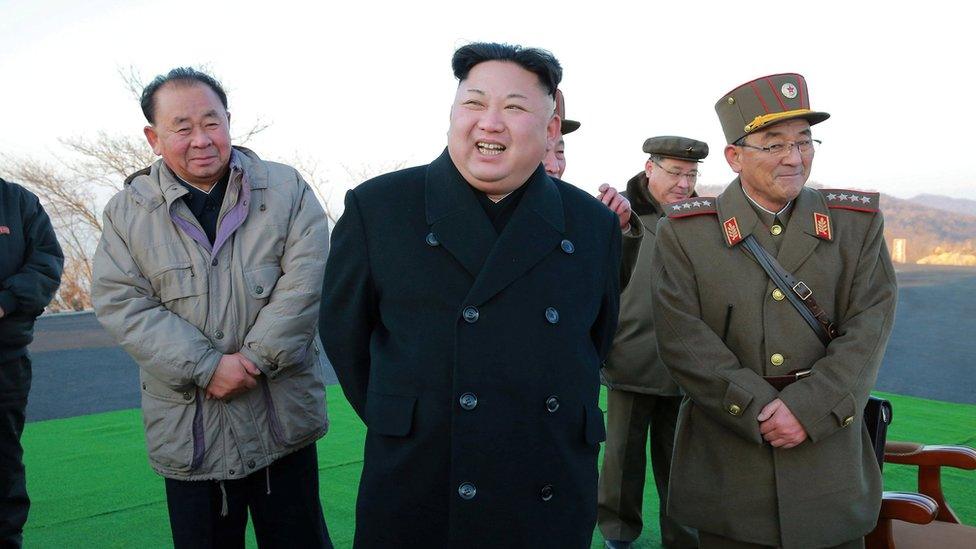
How Does North Korea Control Travel?
The government’s control is airtight.
Here’s how they lock down movement:
-
Permits for Domestic Travel: Even traveling within North Korea needs a permit.
Citizens must state their purpose and get approval. -
No Passports for Most: Ordinary citizens rarely get passports.
They’re reserved for the elite or those on state missions. -
Surveillance Abroad: Travelers abroad are monitored by minders.
They attend ideological debriefs when they return. -
Border Security: The border with China is a no-go zone.
Guards are under orders to shoot on sight.
This system keeps North Koreans isolated.
The regime controls not just movement but information.
Smartphones can’t access the internet—only a state-run intranet.
Foreign media is banned.
Possessing a USB with a South Korean drama could land you in a camp.
Can North Koreans Travel for Fun?
Travel for fun?
Forget it.
International tourism for North Koreans doesn’t exist.
The idea of a vacation abroad is unthinkable for most.
Even domestic tourism is limited.
Some visit places like Wonsan, a beach resort town.
Others go to mountainous areas like Myohyang or Kumgangsan.
But these trips need permits, too.
Only the privileged in Pyongyang get more freedom to move.
For the average citizen, travel is a dream, not a reality.
What Countries Can North Koreans Visit?
A few countries allow North Koreans to visit without a visa.
These include Guyana, Haiti, Kyrgyzstan, Micronesia, and the Gambia.
Kyrgyzstan even lets North Koreans stay indefinitely.
Why?
It honors an old USSR agreement.
But don’t get excited.
These trips are still controlled by the regime.
Ordinary citizens don’t get to go.
Most travel is for business or state duties, not leisure.
Diplomats often fly through Beijing or Vladivostok.
Workers might go to Russia or Eastern Europe.
Athletes and students stick to approved destinations.
Interesting Facts About North Korean Travel
Let’s dive into some jaw-dropping facts:
-
Pyongyang Restaurants Abroad: North Korea runs 130 restaurants worldwide.
Waitresses, often chosen for loyalty, work abroad for up to three years. -
Stranded in Malaysia: During a 2017 diplomatic crisis, North Koreans were stuck in Malaysia.
Both countries banned citizens from leaving. -
Olympic Travel: In 2018, North Korea sent a 400-strong supporter group to the South Korea Winter Olympics.
They were heavily monitored to avoid defection. -
Students Abroad: In the 1950s, about 1,800 North Koreans lived in the Soviet Union.
Some married locals and returned with foreign spouses.
These tidbits show how rare and controlled travel is.
Even when North Koreans leave, they’re never truly free.
Why Does North Korea Fear Travel?
The regime’s fear comes down to one thing: control.
If citizens see the outside world, they might reject the system.
South Korean dramas, smuggled on USBs, already cause trouble.
They show a world of freedom and wealth.
The government cracks down hard on this.
In 2023, a new law banned South Korean-style language.
Punishment?
Up to six years of forced labor or even death.
Travel exposes people to ideas the regime can’t control.
That’s why borders are locked tight.
How Do North Koreans Escape?
Some brave souls try to defect.
It’s dangerous, but it happens.
Here’s how they do it:
-
Crossing to China: Many sneak across the border into China.
It’s risky—guards shoot on sight. -
Hiding in Safe Houses: In China, defectors hide in safe houses.
Activist networks help them reach South Korea or other countries. -
Boat Escapes: Some flee by boat, like Kang Gyuri, who escaped in 2023.
-
Cargo Ships: A few hide in cargo ships to reach safety.
In 2019, about 1,000 North Koreans defected to South Korea.
By 2021, that number dropped to 48.
Why?
Tighter border controls and COVID-19 lockdowns.
Defectors face torture if caught.
Yet, some still risk everything for freedom.
What’s the Deal with Tourism to North Korea?
Foreigners can visit North Korea, but it’s not easy.
Borders were closed from 2020 to 2024 due to COVID-19.
In February 2025, Western tourists returned to Rason, a special economic zone.
But the borders closed again weeks later.
Why?
YouTubers.
Influencers filmed too much, and the regime didn’t like it.
Tourists are restricted to approved zones.
They’re always with guides who control what they see.
Even so, tourism gives North Koreans a rare glimpse of foreigners.
It’s a small crack in the regime’s wall.
How Does This Affect Human Rights?
North Korea’s travel restrictions are a human rights issue.
A 2014 UN report called them “crimes against humanity.”
Why?
They trap people in a repressive system.
Here’s the impact:
-
No Freedom of Movement: Citizens can’t leave their province without approval.
This limits access to food and jobs. -
Forced Repatriation: China often sends defectors back.
They face torture or death upon return. -
Information Blockade: No internet access keeps people in the dark.
Foreign media is a crime.
These rules isolate North Koreans from the world.
They’re cut off from ideas, opportunities, and freedom.
How Can You Learn More About North Korea?
Want to dig deeper?
North Korea’s secrecy makes it hard to understand.
But there are ways to learn:
-
Read Defector Stories: Books like “The Girl with Seven Names” by Hyeonseo Lee share real escape stories.
-
Watch Documentaries: Films like “The Mole” show life inside North Korea.
-
Follow News: Outlets like NK News cover North Korean travel and politics.
-
Visit Trusted Websites: Human Rights Watch and Liberty in North Korea offer detailed reports.
These sources give you a window into a closed world.
They show the human side of North Korea’s policies.
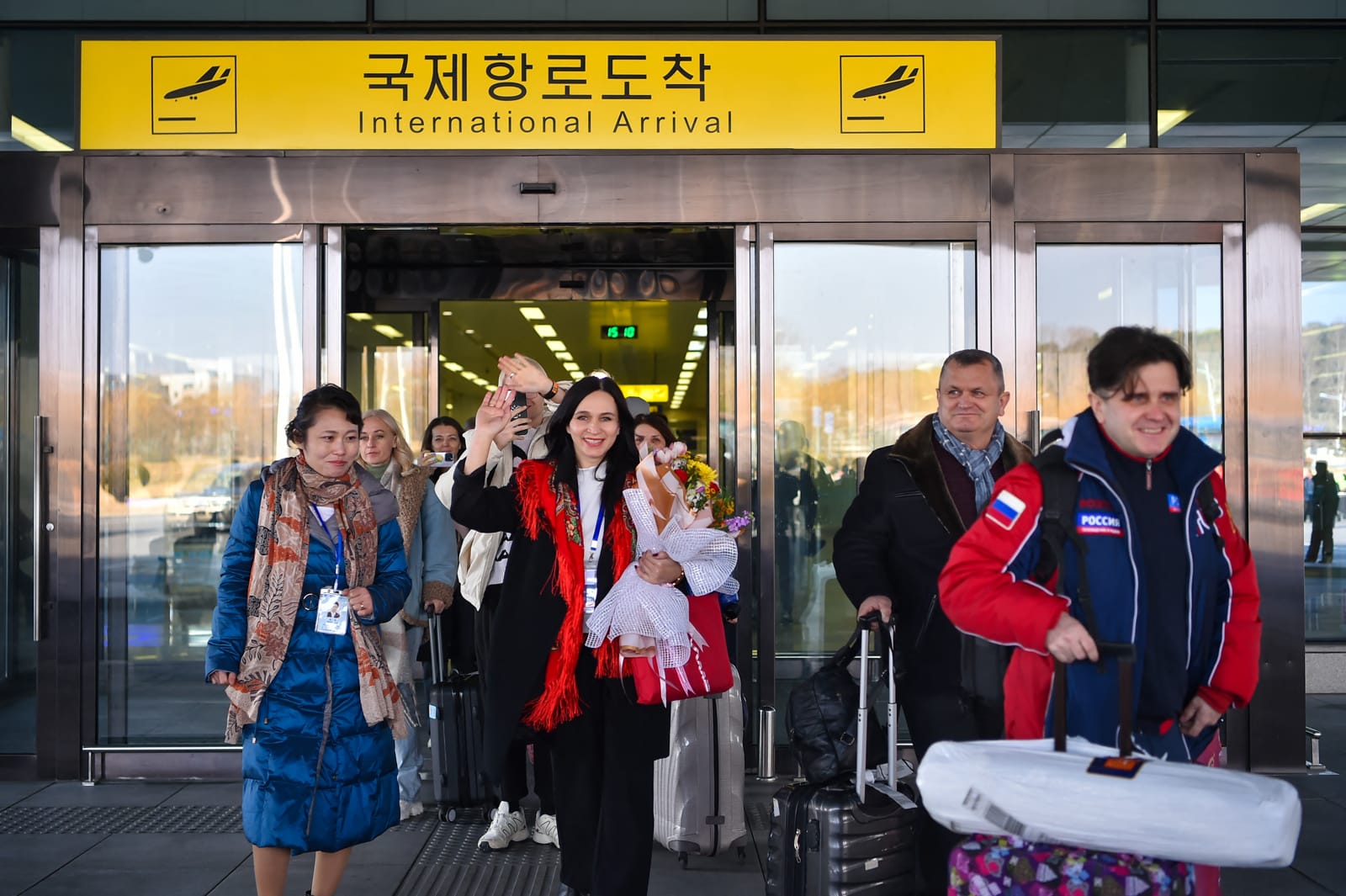
What’s the Future of Travel for North Koreans?
Could things change?
Maybe, but it’s unlikely soon.
Kim Jong-un’s regime relies on control.
Opening borders risks losing that.
Recent moves, like sending troops to Russia, show North Korea’s focus on money, not freedom.
Tourism brought in $175 million in 2019.
But military deals with Russia earn billions.
The regime prioritizes cash over openness.
For now, travel remains a privilege for the few.
Ordinary citizens are stuck behind the wall.
FAQs
What countries can North Koreans escape to?
Most North Korean defectors first cross into China or Russia, then travel covertly to Southeast Asian countries like Thailand, Vietnam, Laos, or Mongolia, where they can seek asylum. From Thailand, the majority are eventually resettled in South Korea with UNHCR assistance.
Can North Koreans travel and escape?
Legally: No, ordinary citizens cannot leave North Korea. However, many illegally defect, using smuggling routes across China or Russia . Such escapes are highly risky, often arranged via brokers and charity networks known as the “underground railroad”.
Can North Koreans migrate to other countries?
Official migration: No, except for government-approved diplomats or workers abroad. But many defectors eventually resettle in countries like South Korea, the U.S., Canada, EU nations, and occasionally Mongolia and Japan . South Korea grants automatic citizenship to North Korean defectors.
Are people allowed to fly out of North Korea?
No, regular citizens are prohibited from international travel. Only elite individuals—like diplomats, athletes, and select officials—are allowed to travel abroad, and only under strict government supervision.
Has anyone escaped North Korea in 2025?
While exact 2025 statistics aren’t yet available, annual defections have dropped to around 100–300 per year recently. Despite tighter border controls, escapes still occur through China and Southeast Asia each year.
How many countries banned North Korea?
The U.S. travel ban list includes North Korea among about 12 current banned countries under the 2017 executive order (including Iran, Syria, Yemen). Overall, many Western nations restrict official travel or immigration from North Korea due to security and human-rights concerns.
Conclusion: Why This Matters
North Korea’s travel rules aren’t just policy—they’re a cage.
They keep 25 million people locked in.
Understanding this helps us see the human cost.
It’s not just about travel; it’s about freedom.
The regime’s grip shapes every part of life.
From defectors risking death to diplomats under watch, the story is clear.
Can North Koreans travel out of the country?
Yes, but only if the regime allows it.
And that’s a rare thing indeed.