

Can North Koreans travel? This question highlights one of the most restricted freedoms in the world. Ever wonder if North Koreans can travel abroad?
You’re not alone—curiosity about North Korea’s secretive ways pulls people in.
The country’s strict rules and mysterious vibe make this a hot question.




But here’s the deal: travel for North Koreans is heavily controlled.
This article breaks it all down—simple, clear, and packed with facts.
We’ll cover who can leave, why it’s tough, and what happens if they try.
Ready to dive into the truth?
Let’s go!

Quick Answer: Can North Koreans Travel Abroad?
North Koreans can travel abroad, but it’s super rare.
The government controls all travel.
Only a tiny group—like diplomats or athletes—gets permission.
Regular citizens? Almost never.
Trying to leave without approval can mean prison or worse.
Keep reading to understand why and how this works.
Why Is Travel So Restricted for North Koreans?
North Korea runs a tight ship.
The government, led by the Kim regime, keeps a close eye on everyone.
Travel abroad isn’t just a vacation—it’s a national security issue for them.
Why? Because the regime fears people learning about the outside world.
If North Koreans see how others live, they might question their system.
That’s a big no-no for a country built on control.
Every move citizens make is watched, especially when it comes to leaving.
Passports? Rare. Permission? Even rarer.
The state decides who gets to go, and it’s not your average citizen.
The Democratic People’s Republic of Korea (DPRK) operates under a system called Songbun.
Songbun ranks people based on their loyalty to the regime.
Your family history, behavior, and even your job play a role.
Only the most trusted—think elite officials or diplomats—get travel approval.
Even then, they’re not free to roam.
Minders (government watchers) tag along to ensure no one steps out of line.
This setup keeps North Koreans cut off from global ideas.
It’s all about maintaining power.
Who Can Travel Abroad from North Korea?
So, can North Koreans travel abroad?
Yes, but only a select few.
The government handpicks who gets to leave.
Here’s a breakdown of who might get the green light:
-
Diplomats and Officials: These are the regime’s trusted insiders.
They travel for government business, like meetings or negotiations.
Even they’re watched closely. -
Elite Students: Some students go abroad for special programs.
Think math competitions or tech exchanges.
But they’re drilled to stay loyal before leaving. -
Athletes: North Korean athletes compete in events like the Olympics.
They’re under strict supervision, though.
No sightseeing for them. -
Workers: The regime sends workers to places like China or Russia.
They earn money for the government, not themselves.
Conditions are often brutal, and they’re monitored 24/7.
Regular folks? Forget it.
A farmer or factory worker has zero shot at a passport.
Even within North Korea, moving to another city needs permission.
Travel abroad is a privilege for the loyal elite, not a right.
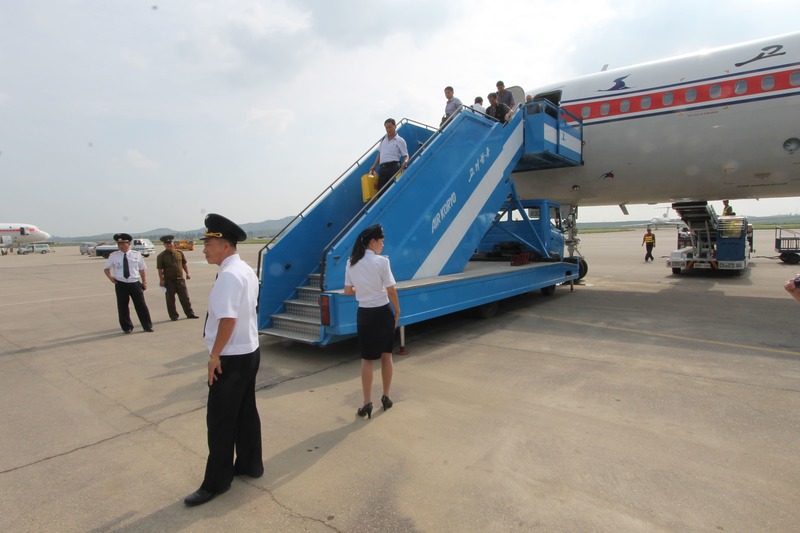
What Happens If North Koreans Try to Leave Without Permission?
Trying to sneak out of North Korea is a huge risk.
The regime doesn’t mess around.
Borders are heavily guarded, especially with China and South Korea.
Here’s what happens if you get caught:
-
Labor Camps: Escapees face brutal prison camps.
These places are known for torture, starvation, and forced labor.
Survivors describe them as pure hell. -
Execution: In some cases, the punishment is death.
Public executions send a message: don’t try to leave. -
Family Punishment: The regime uses collective punishment.
If you flee, your family might be jailed or relocated to harsh areas.
This scares people into staying put.
The United Nations reported that 60% of North Korean women who escape to China are trafficked.
Many end up in brothels or forced marriages.
Even if they make it out, life isn’t easy.
China often sends escapees back, knowing the punishment they’ll face.
Why Do Some North Koreans Get to Travel?
The regime isn’t just being nice when it lets people leave.
There’s always a purpose.
Here’s why they allow limited travel:
-
Money for the Regime: Workers sent abroad earn foreign currency.
This cash funds North Korea’s projects, like nuclear programs.
Workers see little of the money themselves. -
Propaganda: Athletes and students showcase North Korea’s “strength.”
A gold medal or math win makes the regime look good. -
Diplomacy: Officials travel to push North Korea’s agenda.
Think trade deals or nuclear talks. -
Control: Even when abroad, North Koreans are watched.
The regime wants to show it can trust some citizens—but not too much.
For example, North Korean workers in Chinese factories are often locked in compounds.
They work long hours, and their pay goes straight to the government.
It’s less about opportunity and more about exploitation.
Fascinating Facts About North Korean Travel
Let’s hit you with some eye-opening stats and tidbits.
These numbers paint a clear picture of how tight travel controls are:
-
Only 0.3% of GDP: Tourism, including outbound travel, is a tiny part of North Korea’s economy.
It’s heavily controlled to avoid outside influence. -
50,000 Workers Abroad: An estimated 50,000 North Koreans work overseas.
They’re in places like China, Russia, and the Middle East.
Most of their earnings go to the regime. -
No Internet Access: North Koreans can’t access the global internet.
This keeps them clueless about life abroad, making travel a shock. -
Cell Phones Restricted: Mobile phones exist, but they’re limited.
The government even controls Bluetooth access to stop file sharing. -
Defection Risks: Around 30,000 North Koreans have defected since the 1950s.
Most flee to South Korea via China, but the journey is dangerous.
Fun fact: North Korean restaurants abroad, like in Myanmar, are staffed by workers who double as performers.
They’re locked in compounds when not working.
It’s a strange mix of propaganda and profit.
How Does North Korea Control Travelers Abroad?
Even when North Koreans leave, they’re not free.
The regime has a system to keep them in line.
Here’s how they do it:
-
Minders: Every traveler has a government minder.
These are like babysitters who report back to Pyongyang.
They make sure no one talks to foreigners too much. -
Ideological Training: Before leaving, travelers get intense briefings.
They’re told to avoid “capitalist” ideas and stick to the party line. -
Debriefs: When they return, they face questioning.
The regime wants to know every detail of their trip.
One wrong move, and they’re in trouble. -
Family Hostages: The government often keeps family members in North Korea.
If you defect, your loved ones pay the price.
For example, elite students at international competitions are warned not to talk to South Koreans.
One defector said they were told to report any “suspicious” contact.
It’s control on steroids.
Can North Koreans Visit South Korea?
South Korea is right next door, but it’s a world away.
Traveling there is almost impossible for North Koreans.
The Demilitarized Zone (DMZ) splits the peninsula, and it’s heavily guarded.
Here’s why visiting South Korea is a pipe dream:
-
Ongoing Conflict: The Korean War never officially ended.
The two Koreas are still technically at war.
Crossing the border is seen as treason. -
Defection Risk: South Korea offers citizenship to North Korean defectors.
The regime fears anyone who visits might stay. -
Rare Exceptions: A few diplomats or athletes visit for specific events.
Even then, they’re under lock and key.
The DMZ is a tourist spot for foreigners, but North Koreans can’t just stroll over.
Tours to the DMZ from South Korea show the tense divide.
North Koreans caught trying to cross face execution or camps.
What About North Korean Defectors?
Defectors are people who escape North Korea for good.
It’s a dangerous choice, but some take the risk.
Here’s how it usually goes:
-
Escape Route: Most defectors flee through China.
They cross the Tumen or Yalu River, often at night.
Guards shoot on sight, so it’s life-or-death. -
Life in China: China isn’t safe for defectors.
If caught, they’re sent back to face punishment.
Many hide or rely on underground networks. -
South Korea as a Goal: Most aim for South Korea.
The journey might go through Thailand or Mongolia.
South Korea offers defectors citizenship and support. -
Adjustment Struggles: Life in South Korea is a culture shock.
Defectors often face discrimination and struggle to adapt.
About 30,000 defectors live in South Korea today.
Their stories show the lengths people go for freedom.
But the cost is high—many lose their families forever.
Why Does the World Care About North Korean Travel?
North Korea’s travel restrictions aren’t just a local issue.
They’re tied to bigger global concerns.
Here’s why people pay attention:
-
Human Rights: The United Nations calls North Korea’s system “crimes against humanity.”
Travel bans are part of a bigger pattern of control, torture, and starvation. -
Nuclear Threat: Money from workers abroad funds North Korea’s weapons.
That’s why sanctions target these programs. -
Global Isolation: North Korea’s secrecy makes it a mystery.
Travel rules give clues about how the regime operates. -
Defector Stories: Defectors share what life is really like.
Their tales spark interest in North Korea’s hidden world.
When you hear about North Korean athletes or diplomats, it’s a rare glimpse inside.
But it’s a filtered view—the regime only shows what it wants.
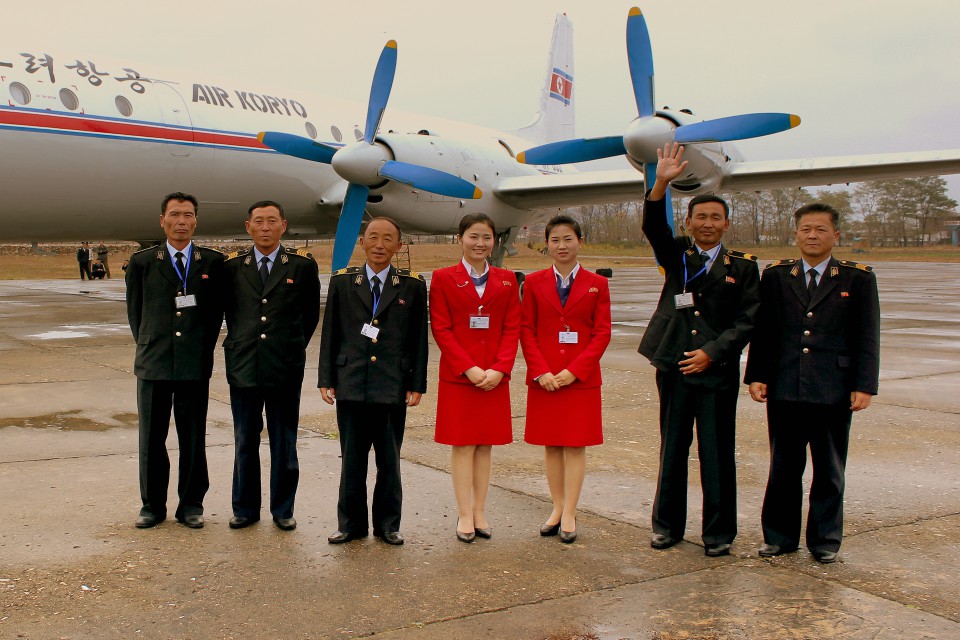
How Can Foreigners Visit North Korea?
Okay, let’s flip it—what about outsiders going in?
Foreigners can visit North Korea, but it’s not a normal trip.
Here’s the deal:
-
Guided Tours Only: You can’t just book a flight and go.
All visitors join government-approved tours.
No wandering allowed. -
Strict Rules: Tourists must follow guides at all times.
Taking photos of “bad” things, like poverty, can get you detained. -
High Costs: A week-long tour costs $1,000-$3,000.
That’s not including flights or visas. -
Limited Access: You’ll see Pyongyang and a few approved sites.
Rural areas or real daily life? Off-limits.
Tourism is small—only about 5,000 Westerners visit yearly.
It’s a controlled show to make North Korea look good.
But it’s still a unique way to peek into the “Hermit Kingdom.”
What’s the Future of Travel for North Koreans?
Will things ever change?
It’s hard to say.
The Kim regime has stayed in power for decades by keeping control.
But cracks are showing:
-
Information Leaks: Defectors smuggle USB drives with K-dramas and news.
This exposes North Koreans to the outside world. -
Economic Pressure: Sanctions hurt the regime’s wallet.
They might loosen travel rules to earn more cash. -
Defector Impact: As more escape, their stories spread.
This could push internal pressure for change.
Still, the regime’s grip is strong.
Travel freedom would mean loosening control, and that’s unlikely soon.
For now, North Koreans remain some of the most isolated people on Earth.
FAQs
Are North Koreans allowed to travel?
Technically, yes—but extremely restricted. Ordinary citizens cannot travel abroad freely. Only elite groups—such as government officials, athletes, artists, and diplomats—get permission for official business, education, or cultural events. Even then, they face intense vetting, state supervision, and mandatory re-entry interviews to prevent defection.
Can North Koreans access the internet?
Most cannot access the global internet. Citizens use a state-controlled intranet called Kwangmyong—accessible at universities and some institutions—offering only government-approved content. Only select elites and foreigners can access the broader internet, while mobile Mirae Wi‑Fi is heavily surveilled and limited to select urban areas.
What countries can North Koreans escape to?
Most cannot freely escape. Defections via China or Russia occur, but attempts are illicit and punishable by imprisonment or worse. The government views defections as political betrayal, with threats of punishment extending to families.
Are people allowed to fly out of North Korea?
Ordinary citizens are not permitted to fly abroad. Only vetted officials, business delegates, athletes, and students (mainly to China, Russia, or approved nations) can exit via air or train, often under tight supervision.
Can North Koreans watch TV?
Yes—but only state-run television like KCTV, received through conventional broadcasts or via Manbang, a domestic “Netflix-like” intranet service offering shows and propaganda. Content is fully state-curated.
Can tourists fly to North Korea?
Yes, foreign tourists can visit North Korea, but only via state-controlled and pre-arranged guided tours. Travel is typically limited to cities like Pyongyang or Rason, with heavy monitoring and strict guidelines on behavior
Wrapping It Up: The Truth About North Korean Travel
So, can North Koreans travel abroad?
Yes, but it’s rare and tightly controlled.
Only the elite—diplomats, students, athletes, or workers—get to leave.
Even then, they’re watched like hawks.
For regular citizens, leaving without permission means risking death or camps.
The regime’s goal is clear: keep people in and outside ideas out.
This system of control is why North Korea feels like a mystery.
Want to learn more about the DPRK’s secretive ways?
Stick around—there’s always more to uncover.