
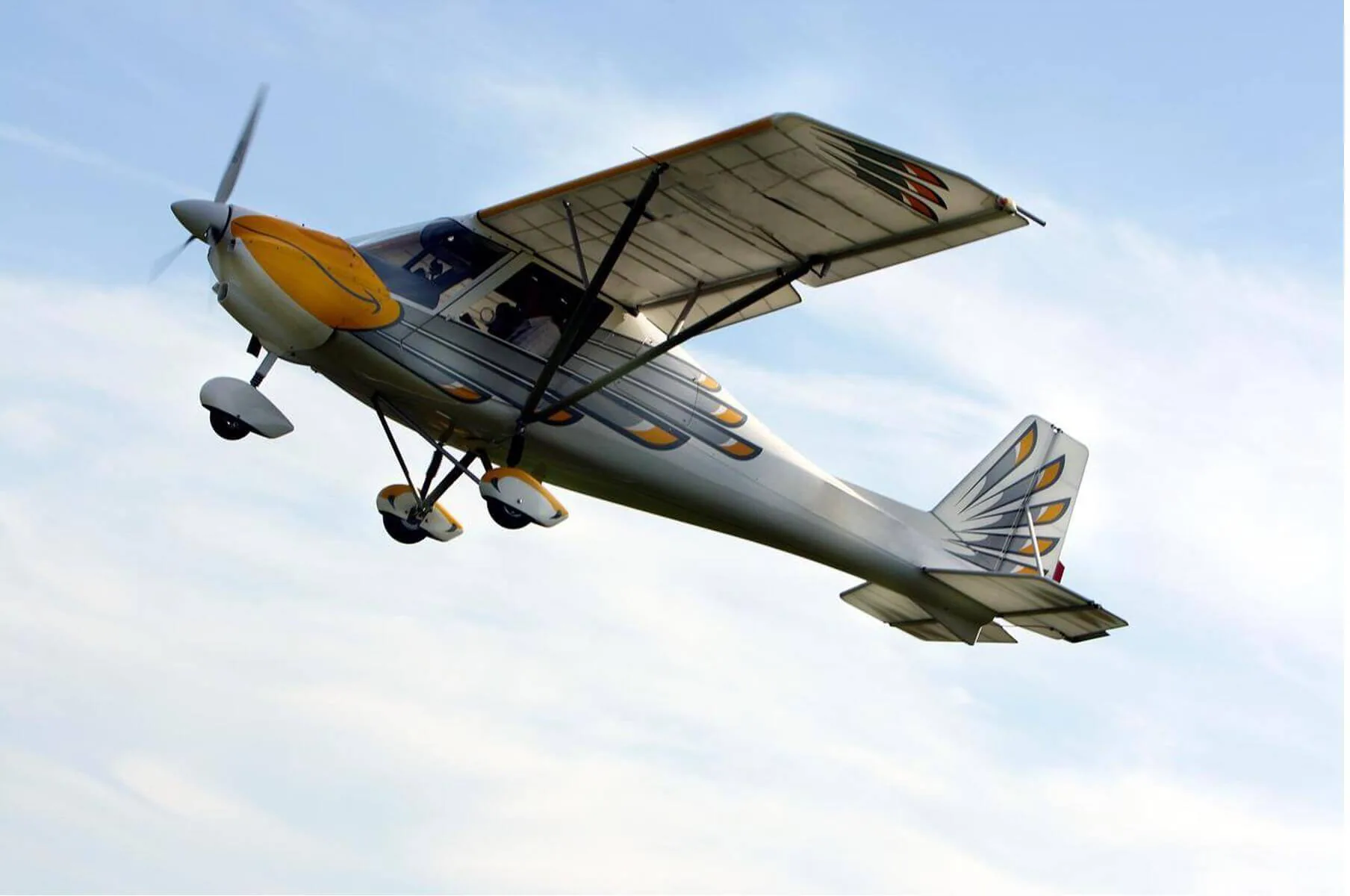

For pilots, aircraft owners, and operators, the cost of aviation insurance can often come as a shock. Compared to typical auto or home insurance, aviation insurance premiums tend to be significantly higher, raising the question: Why does aviation insurance cost so much? Understanding the factors that contribute to the price can help demystify the costs and guide you toward making informed decisions about coverage.
In this blog, we’ll break down the key reasons behind the high cost of aviation insurance, looking at the risks insurers cover, the complexity of the industry, and what you can do to manage your premiums.
1. High Risk and Severity of Aviation Claims
Aviation insurance covers aircraft hull damage and liability claims, which often involve:




- Catastrophic accidents: Aviation accidents can result in severe damage, injuries, or fatalities, leading to large claims.
- Expensive repairs: Aircraft parts, labor, and maintenance are costly—sometimes exceeding the value of the plane itself.
- Third-party liability: Claims can include injury or damage to passengers, people on the ground, or other aircraft.
Because the potential losses are significant, insurers price policies higher to protect themselves from massive payouts. “As insurers, we’re not just covering dents or delays,” says David Woollams. “We’re looking at high-impact scenarios that can involve multi-million-dollar payouts. That’s why premiums reflect the magnitude of the risk.”
2. Complexity of the Aviation Industry
The aviation sector is highly regulated and involves many variables, such as:
- Pilot qualifications and experience
- Aircraft type, age, and condition
- Flight operations (private, commercial, cargo, training)
- Geographic regions and weather risks
All these factors make underwriting aviation insurance more complex and costly compared to simpler insurance products. Every policy is customized, which makes administration more intensive—and more costly. AGL Aviation specializes in navigating this complexity, helping clients present their risk profile in the best possible light to insurers.
3. Limited Pool of Insurers and Competition
Unlike auto or home insurance, aviation insurance is offered by a smaller number of specialized insurers. Fewer providers mean less price competition, which can keep premiums high.
Additionally, insurers may impose stricter underwriting criteria and higher premiums to mitigate their own risk exposure.
AGL Aviation, as one of the region’s most trusted brokers, works with both domestic and international insurers to access competitive rates and custom policy options.
4. Regulatory and Legal Environment
Aviation claims often involve international laws, complex liability issues, and lengthy legal processes. Handling claims, disputes, and regulatory compliance adds to the administrative costs insurers must cover, impacting premium prices.
5. Pilot Experience and Safety Record
Insurance premiums reflect the likelihood of claims. Pilots with limited flight hours or poor safety records face higher rates due to increased risk.
Pro Tip: Building experience and maintaining a clean safety record can help reduce your insurance costs over time.
6. Aircraft Type and Usage
Different types of aircraft and uses have varying risks:
- High-performance or experimental aircraft typically attract higher premiums.
- Commercial or flight training operations usually cost more to insure than private leisure flying.
- Older planes or those with less rigorous maintenance histories may also cost more to insure.
7. Additional Coverage Options Increase Cost
Many policies include optional coverage add-ons such as:
- Hangar insurance
- Ground risk coverage
- War and terrorism coverage
While essential for some operators, these extras raise the overall cost of aviation insurance.
How to Manage and Potentially Lower Your Aviation Insurance Costs
Though aviation insurance is inherently expensive, you can take steps to keep costs in check:
- Choose the right coverage limits tailored to your needs.
- Participate in safety and recurrent training programs.
- Maintain excellent maintenance and record-keeping practices.
- Work with a knowledgeable broker who can negotiate the best rates.
- Bundle policies or join group insurance schemes if available.
Final Thoughts: Understanding the Price Helps You Plan
The cost of aviation insurance reflects the unique risks and challenges of flying and owning aircraft. While it may seem steep, it protects you against financial devastation from accidents or liability claims.
By understanding the factors behind the price, you can make smarter choices about your coverage and even take steps to reduce premiums while ensuring you’re adequately protected.