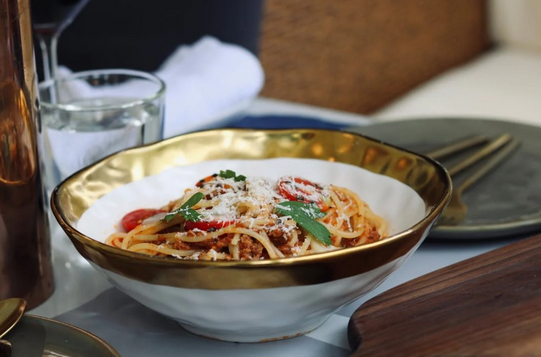

Walk down any high street, scroll through Instagram, or open a food delivery app, and you’ll notice something immediately: we eat with our eyes first. Before menus, before reviews, before price, there’s the image. A burger dripping with sauce. A cocktail glowing under neon light. A dining room that looks like a film set.
Visual content isn’t just decoration anymore. It’s the main event.
Notably, even casual seaside spots like Beach Buoys understand this shift. A single photo of fish and chips against a sunset does more marketing than a paragraph of copy ever could. It sets a mood. It tells a story. It makes people want to be there.




That’s the real power of visuals in restaurant marketing. They don’t explain. They evoke.
Why Visuals Work So Well
Humans process images faster than text. Way faster. Some studies suggest the brain understands images in milliseconds, while reading takes significantly longer. That’s why you can scroll past fifty photos in a minute but won’t read fifty articles.
In a world where attention is the rarest currency, visuals win by default.
Interestingly, psychologists often say decisions are emotional first, logical second. Food is already emotional. Visual content simply amplifies that instinct.
You’re not selling a dish.
You’re selling a moment.
A feeling.
An experience someone wants to step into.
From Menus to Movies
Restaurants used to rely on static menus and maybe a few framed photos near the entrance. Now, they’re basically mini film studios.
Short videos. Reels. Behind-the-scenes clips. Slow-motion pours. Chefs plating dishes like surgeons.
One marketing consultant once joked, “Every restaurant is now a content creator that also happens to serve food.” It sounds exaggerated, but it’s not far off.
Visual storytelling has replaced traditional advertising. Instead of saying “we’re great,” restaurants show you why.
Authentic Beats Perfect
Here’s the twist: overly polished content often performs worse.
Perfect lighting, stock models, unrealistic plating -it all feels fake. People can sense it. And once something feels staged, trust drops.
What works better is authenticity.
Real staff. Real plates. Real lighting. Slight mess. Slight chaos. It makes the place feel alive.
Interestingly, some of the most successful restaurant accounts are run on phones, not professional cameras. The content feels human, not corporate.
And in hospitality, human always wins.
The Middle Ground: Branding Through Imagery
A key takeaway is that visuals aren’t just about food. They’re about identity.
Your colours. Your fonts. Your lighting style. Your background music in videos. All of it creates a visual signature.
Over time, people recognise your brand without seeing your name.
That’s powerful.
Some venues feel warm and rustic. Others feel minimal and modern. Some lean into chaos and humour. There’s no single formula, but there is one rule: consistency.
In the middle of all this, places like Curry Centre benefit from showing more than just dishes. Photos of families dining, busy tables, steam rising from kitchens. It’s not about the curry alone. It’s about atmosphere.
People don’t just want to eat. They want to belong somewhere for an hour or two.
Platforms Shape Content
Different platforms demand different visuals.
Instagram loves beauty.
TikTok loves chaos.
YouTube loves stories.
Google loves clarity.
A gorgeous food photo might work perfectly on Instagram but fail on Google if it doesn’t show portion size or plating clearly.
Meanwhile, TikTok thrives on imperfections. Shaky camera. Loud kitchen. Chefs joking. Customers reacting.
Interestingly, the most viral restaurant videos often show mistakes. Burnt dishes. Spills. Funny interactions. It humanises the brand.
Perfection impresses.
Imperfection connects.
Visuals and the “Decision Moment”
There’s a critical moment in every customer journey. The pause before booking. The hesitation before walking in. The scroll before choosing where to eat.
That’s where visuals do their real work.
At that moment, logic fades. Emotion takes over.
One glance at a warm, busy dining room can beat ten five-star reviews. A single video of cocktails being shaken can override a cheaper option next door.
Visuals don’t persuade.
They reassure.
They say, “This is a good choice.”
Historical Shift: From Billboards to Feeds
Marketing has always been visual. Posters. Menus. Neon signs. But the scale has changed.
Instead of one billboard seen by thousands, we now have thousands of micro-billboards seen by individuals.
Every post. Every story. Every thumbnail.
Restaurants no longer compete just with other restaurants. They compete with everything on someone’s feed. Celebrities. News. Friends. Memes.
So the content has to work harder. It has to stop the scroll.
That’s why motion is taking over. Static images are good. Moving images are better.
Steam rising. Sauce dripping. Glasses clinking.
Movement feels alive.
Storytelling Through Series
One-off posts fade fast. Series build loyalty.
“Dish of the week.”
“Meet the chef.”
“Behind the bar.”
“From market to plate.”
These formats create anticipation. People come back not just for food, but for content.
Interestingly, some restaurants now plan their menus around how dishes will look on camera. Bright colours. Textures. Height. Contrast.
The plate becomes a stage.
User-Generated Content: The Hidden Weapon
You don’t have to create all the visuals yourself. Your customers already do it for you.
Every tagged photo. Every story. Every review with images.
That’s free marketing with built-in credibility.
A key takeaway is that user-generated content often outperforms professional content. Why? Because it feels real. Because it comes from peers, not brands.
People trust strangers more than advertisers.
Encouraging customers to share, tag, and post creates a loop:
Great experience → shared visually → attracts new customers → repeat.
Visuals Influence Memory
There’s also a neurological layer to this. We remember images better than words. Much better.
Someone might forget your menu. They won’t forget how your place looked.
The lighting.
The wall art.
The colour of the plates.
The way drinks were presented.
Visual branding creates mental shortcuts. When people think of dinner, your image appears.
That’s brand recall. And it’s priceless.
The Dark Side: When Visuals Lie
Of course, there’s a risk.
Over-promising leads to disappointment. If your photos show massive portions and reality delivers tiny plates, trust collapses.
Visual marketing works best when it reflects truth, not fantasy.
The goal isn’t to impress.
It’s to align expectations.
Interestingly, some restaurants now intentionally post less flattering images. Slightly smaller portions. Normal lighting. Real tables.
They’d rather under-promise and over-deliver than the other way around.
Visual Content Beyond Social Media
It’s not just about Instagram.
Visuals shape:
- Your website
- Your Google profile
- Your delivery apps
- Your email campaigns
- Your in-store screens
Every touchpoint matters.
Inconsistent visuals feel chaotic. Consistent visuals feel professional.
And professionalism builds confidence before anyone tastes a thing.
Looking Ahead: AI, AR, and Virtual Dining
The future of visual marketing is already here.
AI-generated menus.
Augmented reality previews.
3D food models.
Virtual restaurant tours.
Soon, customers might walk through your dining room in VR before booking a table.
Sounds futuristic. But so did online menus once.
Technology keeps evolving. But the principle stays the same: people want to see before they commit.
Even established venues like LIVIN’Italy adapt to this shift, updating visuals regularly to match changing tastes and platforms.
Staying visually relevant isn’t a one-time task. It’s an ongoing process.
Final Thoughts
Visual content isn’t just a marketing tool anymore. It’s the language of modern hospitality.
In a crowded market, the restaurants that win aren’t always the ones with the best food. They’re the ones that tell the best visual stories.
They show warmth.
They show energy.
They show moments people want to step into.
And in a world where attention is fleeting, that ability -to stop someone mid-scroll and make them feel something -might be the most valuable skill a restaurant can have.
Because before people taste your food…
They taste your brand with their eyes.